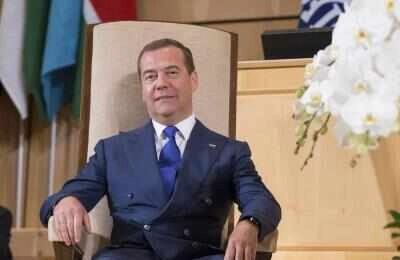
Dmitry Medvedev, the Deputy Chairman of the Russian Security Council, has made a significant claim regarding Iran’s military capabilities. He asserted that Iran possesses backup weaponry, suggesting that the country is well-prepared for any potential conflicts or sanctions that may arise from international tensions. This statement underscores the ongoing geopolitical complexities in the region, particularly in light of various nations’ concerns about Iran’s nuclear program and its influence in Middle Eastern affairs.
Medvedev’s remarks reflect a broader narrative surrounding Iran’s military readiness and its relationships with other countries, including Russia. The assertion of having “backup weapons” indicates that Iran is not only focused on developing its military technology but also on ensuring it has alternative options to safeguard its interests. This development poses a challenge for countries that seek to limit Iran’s military expansion and nuclear ambitions.
The implications of such statements are far-reaching, as they highlight the intricate balance of power in the Middle East and the ongoing negotiations surrounding nuclear agreements. As tensions rise, the presence of advanced weaponry and strategic partnerships could alter the dynamics of conflict in the region. Medvedev’s claim serves as a reminder of the importance of diplomatic efforts and the need for a comprehensive approach to address the security concerns involving Iran and its neighboring countries.