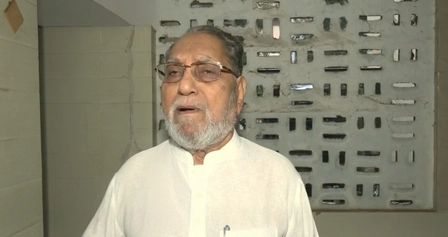
A leader from the Indian National Congress has called for the division of the Brihanmumbai Municipal Corporation (BMC) into three separate entities. This proposal comes amid ongoing discussions about local governance and administrative efficiency. The leader emphasized that splitting the BMC into three distinct parts could lead to better management of resources and services for the citizens of Mumbai. The rationale behind this demand is primarily based on the notion that a smaller administrative unit can address local issues more effectively, thus enhancing the overall governance of the city.
In addition to the demand for restructuring the BMC, the Congress leader also expressed support for the implementation of the Uniform Civil Code (UCC). The UCC is a significant legal reform aimed at replacing personal laws based on the scriptures and customs of each major religious community in India with a common set governing every citizen. The leader stated, “I am in favor of UCC,” highlighting the importance of having a uniform set of laws that apply to all individuals regardless of their religion. This stance reflects a broader push for equality and justice in personal matters such as marriage, divorce, and inheritance.
The call for restructuring the BMC and endorsing the UCC signifies a shift in political discourse, focusing on governance and legal reforms that resonate with the public’s demand for better services and equality before the law. As political parties engage in these discussions, it will be crucial to consider the implications of such changes on the diverse population of Mumbai and the socio-political landscape of India. The Congress leader’s initiatives could potentially reshape the way local governance operates, while also addressing the pressing need for uniformity in civil laws across the nation. Such reforms could pave the way for a more efficient administration and a fair legal framework that upholds the rights of all citizens.