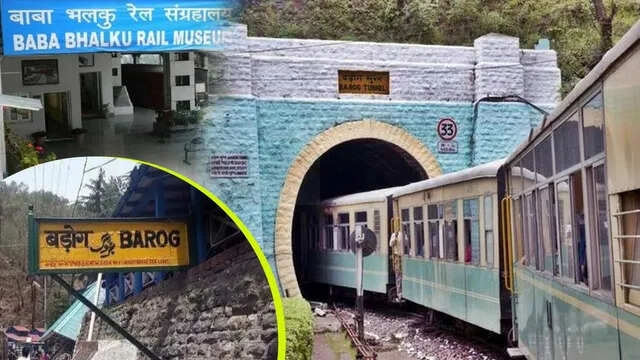
The Indian Railways is undergoing significant changes in various aspects to enhance its services and infrastructure. However, amidst these developments, the historical identity of the Barog Station on the Kalka-Shimla route continues to remain intact. This railway route, renowned for its scenic beauty and historical significance, has been a vital link connecting the plains of Kalka to the heights of Shimla since its inception in the late 19th century. The Barog Station, located at a picturesque altitude, has its own unique charm and has been a favorite among tourists and railway enthusiasts alike.
Barog Station is not just a transit point; it is steeped in history and nostalgia. Established in 1903, it is named after a British engineer, Colonel Barog, who played a crucial role in the construction of this narrow-gauge railway line. The station is notable for its stunning architecture and the natural beauty that surrounds it, making it a popular stop for travelers seeking to experience the tranquility of the Himalayas. The station’s historical significance is further enhanced by the stories and legends that have been passed down through generations, adding to its allure.
As Indian Railways aims to modernize its services, including the introduction of faster trains and advanced technology, there is a conscious effort to preserve the heritage of iconic stations like Barog. This balance between modernization and heritage preservation is crucial, as it ensures that the cultural and historical significance of such locations is not lost in the pursuit of progress. The continued recognition of Barog Station as a historical landmark reflects the broader commitment of the Indian Railways to honor its past while moving towards a more efficient and contemporary future. The picturesque Kalka-Shimla route, with Barog Station at its heart, remains a testament to the rich history and the evolving journey of Indian Railways.