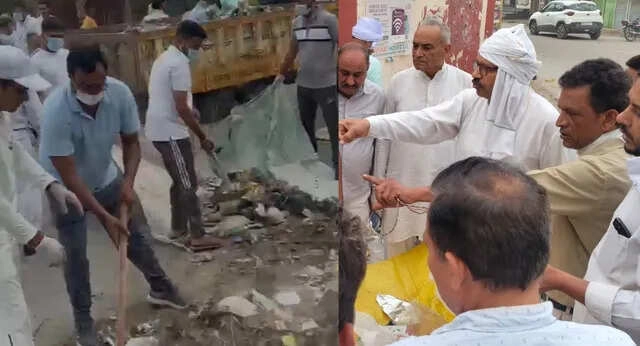
Amidst the ongoing strike by sanitation workers, a significant debate has emerged regarding the administration’s cleaning campaign in the city. The workers, who play a crucial role in maintaining the cleanliness and hygiene of urban areas, have raised concerns about their working conditions, wages, and lack of adequate resources. Their strike has brought attention to the challenges faced by these essential workers, who often toil under difficult circumstances and with minimal recognition.
In response to the strike, the administration has initiated a cleaning campaign aimed at addressing the litter and waste accumulation in various parts of the city. However, this move has been met with resistance from the protesting sanitation staff, who argue that the campaign is merely a superficial solution that fails to address the root causes of their grievances. They contend that the government should prioritize negotiations and improvements in their employment conditions rather than attempting to showcase a clean city while ignoring the voices of the workers behind the cleanup efforts.
The situation has sparked a broader discussion among citizens about the importance of sanitation workers and the need for fair labor practices. Many community members have expressed support for the strikers, recognizing that a clean city is only possible when the workers are treated with dignity and respect. As the strike continues, the city grapples with the dual challenge of maintaining cleanliness while also addressing the legitimate demands of its sanitation workforce. This situation highlights the need for a collaborative approach that includes dialogue between the administration and workers, ensuring that both the city’s cleanliness and the rights of its workers are safeguarded.