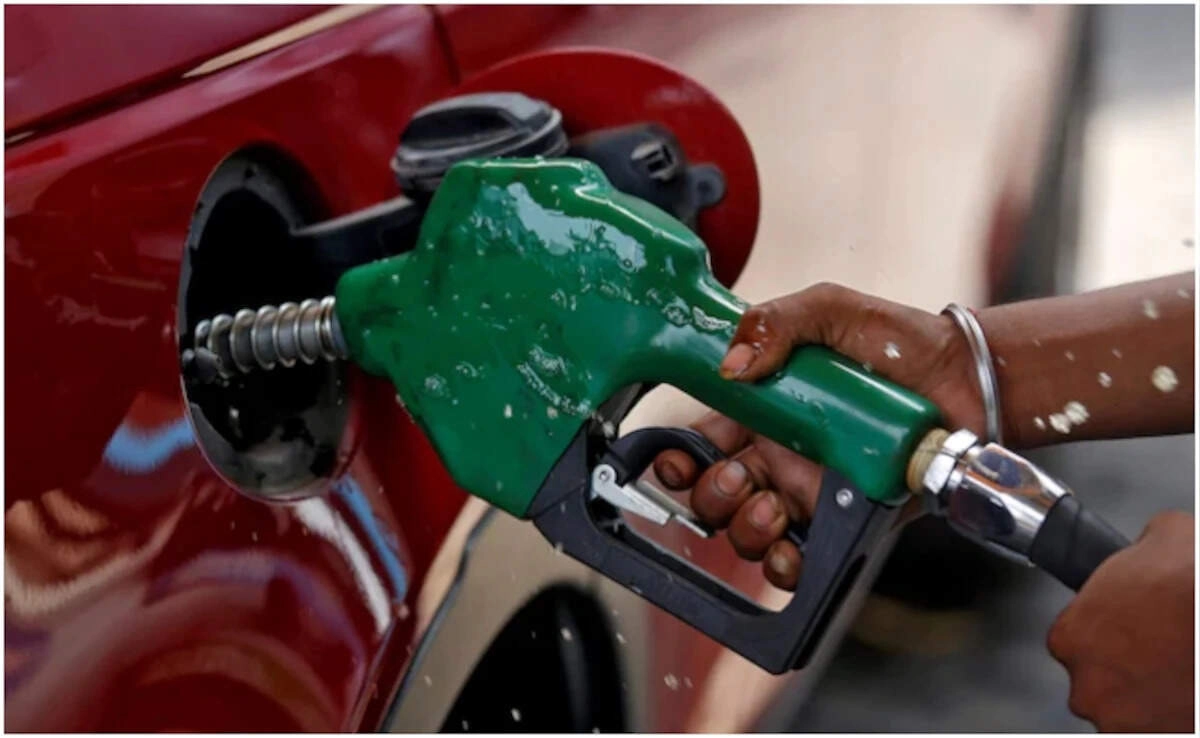
The recent discussions surrounding fuel prices, particularly petrol and diesel, have sparked significant concern among consumers and economists alike. The International Monetary Fund (IMF) has indicated that a rise in fuel prices is likely, emphasizing the need for countries to reassess their subsidy frameworks. The IMF’s statements highlight the importance of sustainability in fiscal policies, particularly in the context of managing public resources effectively. As global oil prices fluctuate and economic conditions evolve, governments are faced with the challenge of balancing budgetary constraints while ensuring that essential commodities remain affordable for the general population.
The potential increase in fuel prices could have far-reaching implications for various sectors of the economy. Higher fuel costs typically lead to increased transportation expenses, which may subsequently drive up prices for goods and services across the board. This situation poses a dilemma for policymakers, as they must weigh the benefits of reducing subsidies against the immediate impact on consumers. If subsidies are reduced or eliminated altogether, the burden of rising prices will inevitably fall on ordinary citizens, potentially leading to public discontent and protests.
Moreover, the IMF’s comments regarding subsidies underline the need for a comprehensive approach to energy pricing. Many countries rely heavily on subsidies to keep fuel prices low, but these measures can strain national budgets and divert funds from essential services like healthcare and education. As governments consider reforms, they must also communicate effectively with the public to explain the necessity of such changes and the long-term benefits that could arise from a more sustainable energy policy.
In summary, the prospect of rising fuel prices, as suggested by the IMF, marks a critical juncture for many nations. Policymakers must navigate the complex landscape of subsidies and consumer welfare while ensuring economic stability. The path forward will require careful consideration of both immediate and long-term implications for citizens, the economy, and the environment, as the transition to more sustainable energy practices becomes increasingly urgent.