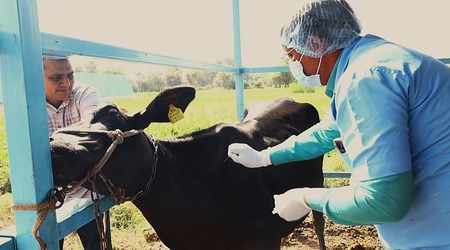
In Gujarat, significant progress has been made in controlling the spread of the Foot-and-Mouth Disease (FMD), commonly referred to as “खुरपका-मुंहपका रोग”. This infectious disease affects livestock, particularly cattle, and can have devastating effects on the agricultural economy. The government and veterinary health officials have implemented an extensive vaccination campaign that has proven to be highly effective. As a result of these efforts, the incidence of the disease has been reduced by as much as 3 percent.
The vaccination drive has been a crucial component in combating the disease, as it helps to build immunity in animals and prevents outbreaks. This initiative not only protects the livestock but also ensures the livelihood of farmers who depend on these animals for their income. The reduction in infection rates highlights the importance of proactive health measures in animal husbandry. By vaccinating livestock, the state has taken a significant step towards safeguarding its agricultural sector and ensuring food security for its population.
In addition to the vaccination efforts, the government has also focused on raising awareness among farmers about the symptoms of the disease and the importance of seeking immediate veterinary care if their animals show signs of infection. Educational programs and workshops have been organized to inform farmers about best practices in animal care and disease prevention. These initiatives aim to create a more informed community that can effectively manage livestock health and contribute to the overall well-being of the agricultural ecosystem in Gujarat.
The success in controlling Foot-and-Mouth Disease in Gujarat serves as a model for other regions facing similar challenges. By prioritizing vaccination and education, the state has made significant strides in mitigating the impact of this disease on livestock and the economy. Continued efforts in monitoring and controlling the disease will be essential for maintaining the health of the livestock population and supporting the livelihoods of farmers across the state. Overall, the proactive measures taken in Gujarat illustrate the effectiveness of coordinated health initiatives in addressing agricultural challenges.