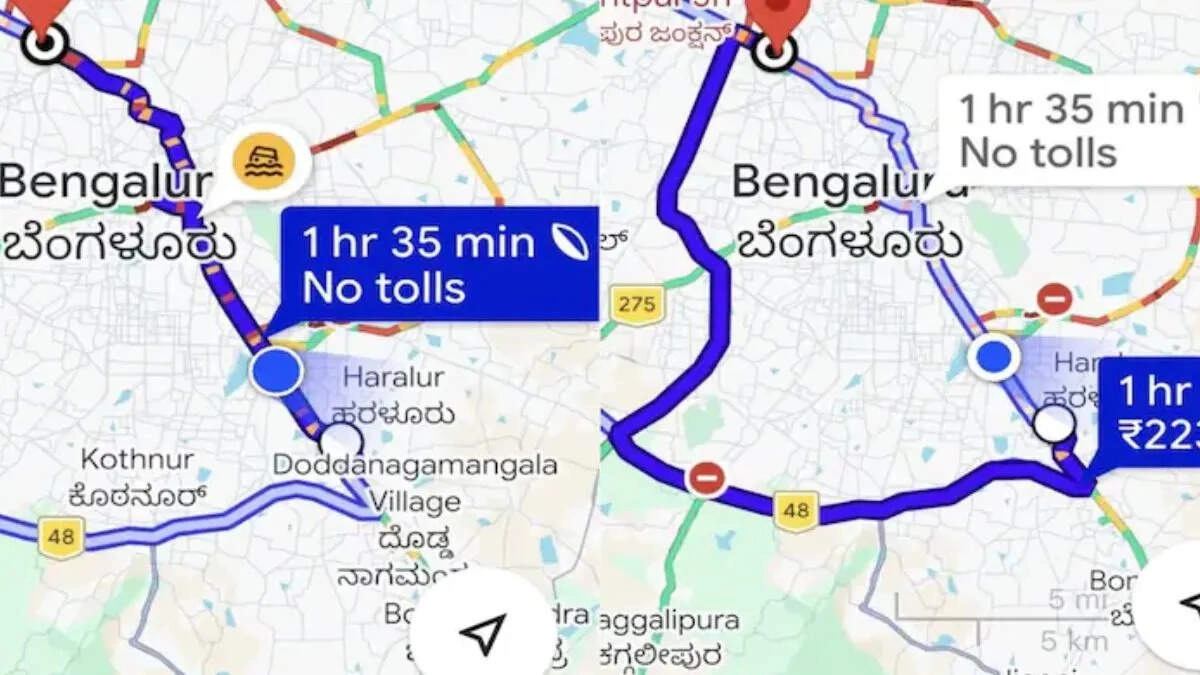
The reality of traffic in Bengaluru has become a topic of widespread discussion, especially highlighted by the viral incident of a 47-kilometer drive for a mere 23-kilometer distance. This situation serves as a stark representation of the city’s notorious traffic congestion. Bengaluru, known as the Silicon Valley of India, attracts numerous tech professionals and entrepreneurs, resulting in an ever-increasing population and, consequently, a substantial rise in vehicular traffic. The infrastructure, unfortunately, has struggled to keep pace with this rapid growth, leading to lengthy commutes that frustrate residents daily.
In this specific instance, what should have been a straightforward journey turned into an arduous experience, showcasing the severe inefficiencies in the road network. Commuters often find themselves stuck in gridlock, navigating through narrow roads poorly equipped to handle the volume of cars and public transport. This not only affects individual schedules but also has a broader impact on productivity and the overall economy of the city. As people spend hours on the road, the cumulative effect can lead to increased stress and decreased quality of life.
The situation has prompted discussions among city planners and government officials regarding potential solutions. Initiatives such as improving public transport, enhancing road infrastructure, and implementing better traffic management systems are being considered. However, these solutions require time, investment, and effective execution to alleviate the traffic woes that have become synonymous with Bengaluru. The viral story of the 47-kilometer detour has sparked conversations about the urgent need for sustainable urban planning to ensure that Bengaluru remains a livable city for its residents.