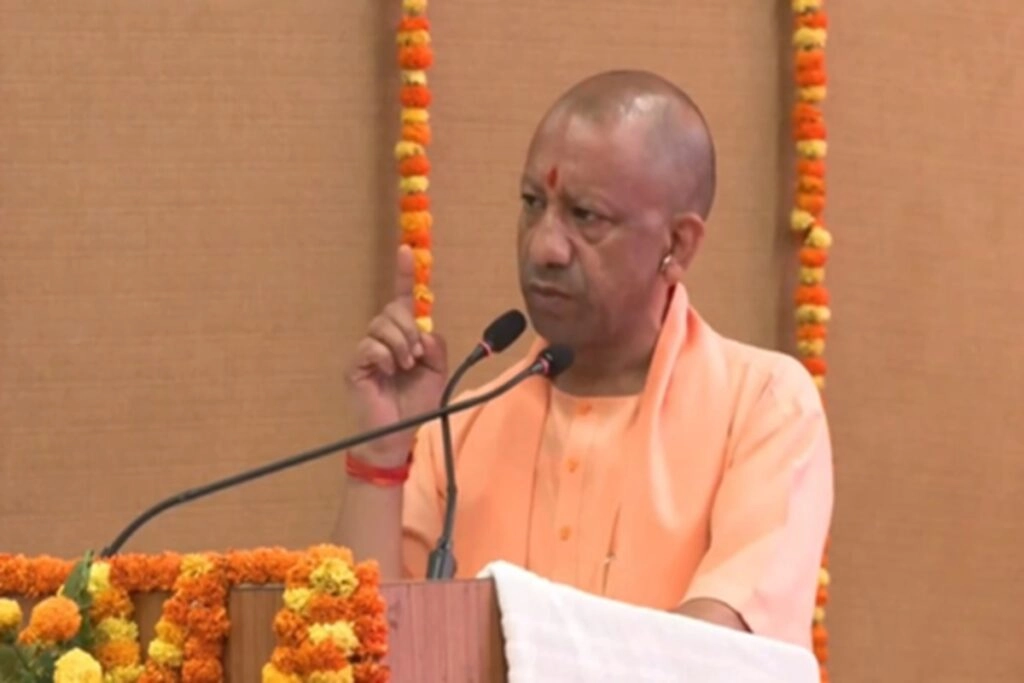
In a recent speech delivered in Kashi, Chief Minister Yogi Adityanath launched a vigorous attack on the opposition, emphasizing their historical role in undermining Sanatan Dharma. He articulated that the forces which have sought to dismantle or diminish the importance of this ancient tradition have ultimately faced their own downfall. The Chief Minister’s remarks resonate with a broader narrative that seeks to rally support around the preservation of cultural and religious values that are deeply rooted in Indian society.
Yogi Adityanath’s rhetoric is not just an indictment of the opposition but also a call to arms for his supporters, encouraging them to recognize the perceived threats to their way of life. He underscored that the efforts to erode the foundations of Sanatan, which he views as integral to India’s identity, have not only failed but have also led to the discrediting of those who initiated such endeavors. By framing the battle as one of survival for a cherished heritage, he aims to fortify his political base and galvanize a sense of unity among his constituents.
Moreover, the Chief Minister’s statements reflect a growing trend among political leaders to invoke cultural nationalism as a rallying point. In a time when societal divisions are stark, Yogi Adityanath’s emphasis on Sanatan Dharma serves to reinforce a collective identity that transcends mere politics. This approach not only aims to consolidate power but also seeks to instill a sense of pride and purpose within the community, encouraging them to stand firm against perceived adversaries. As the political landscape continues to evolve, such declarations are likely to resonate with a significant segment of the population, further shaping the discourse around cultural heritage and its relevance in contemporary India.