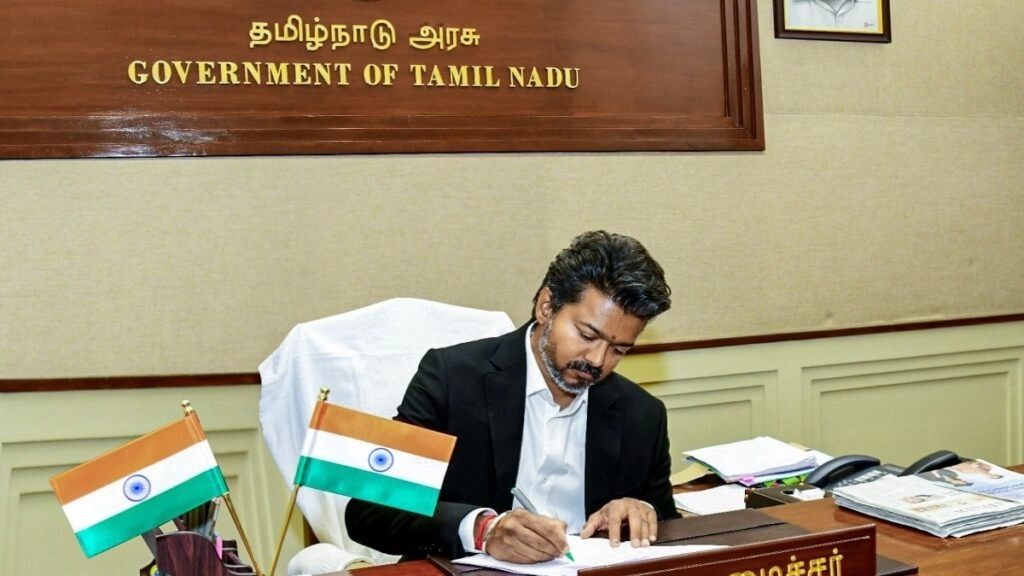
The government led by Joseph Vijay is poised to make a significant decision regarding public health and safety. In a move aimed at curbing alcohol accessibility, particularly in sensitive areas, the government plans to shut down 717 liquor shops located near religious sites, educational institutions, and bus stations. This initiative reflects a growing concern about the impact of alcohol consumption on communities, especially in locations frequented by families and children.
The rationale behind this decision is multifaceted. By closing these liquor shops, the government seeks to create a safer environment for all, particularly for young people who might be influenced by the presence of alcohol in their vicinity. Religious places are often considered sanctuaries where families gather for worship and community activities, and the proximity of liquor stores could undermine the sanctity of these spaces. Similarly, schools are environments where children should feel secure and focused on their education, away from the distractions and potential dangers associated with alcohol.
The closure of these shops is also expected to have a broader impact on public health. Research has consistently shown that reducing the availability of alcohol can lead to lower rates of substance abuse, accidents, and health issues related to alcohol consumption. By taking this step, the Joseph Vijay government aims to foster a healthier society, promoting responsible behavior and encouraging individuals to make better lifestyle choices.
While this decision may face opposition from some quarters, particularly from those who see it as an infringement on personal freedoms, the government is prioritizing the welfare of the community as a whole. The initiative underscores a commitment to social responsibility and the protection of vulnerable populations. As this plan unfolds, it will be essential to monitor its implementation and assess its impact on local communities and overall public health.