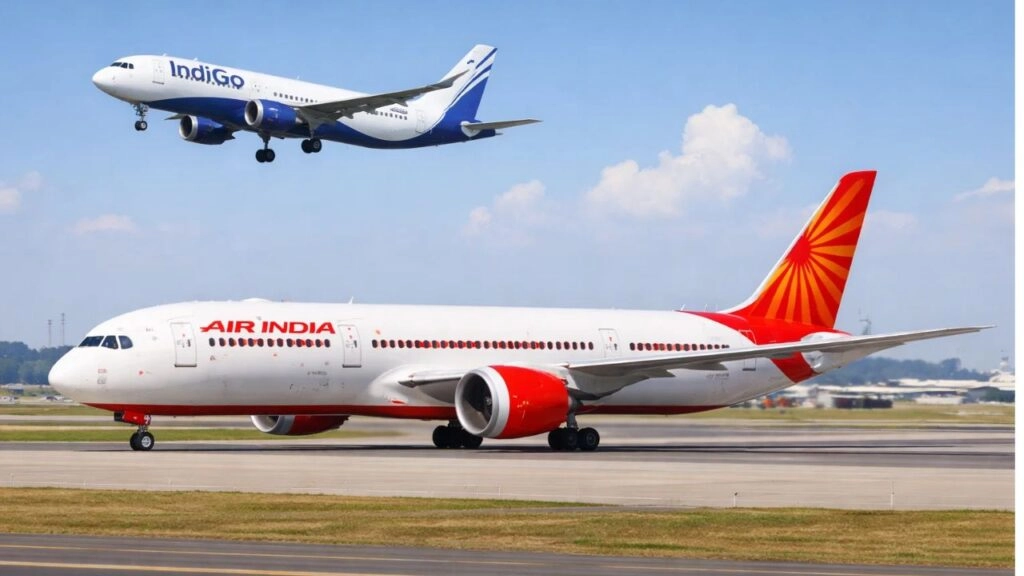
The resignations of the CEOs from two major airline companies within just a year have raised questions and sparked widespread speculation regarding the underlying reasons behind these high-profile departures. Industry analysts and observers have pointed to several factors that may have contributed to these sudden changes in leadership. One of the most significant issues facing the airline industry has been the enduring impact of the COVID-19 pandemic. The pandemic led to unprecedented disruptions, forcing airlines to adapt rapidly to changing travel restrictions and fluctuating consumer demand. This tumultuous environment put immense pressure on executives, as they had to navigate complex operational challenges while also addressing the financial implications of reduced travel.
In addition to the pandemic’s effects, both airlines have faced a multitude of operational challenges that may have influenced the decision-making process of their respective CEOs. Issues such as staffing shortages, rising fuel prices, and supply chain disruptions have added layers of complexity to the management of airline operations. As these challenges persisted, it is possible that the stress of maintaining profitability and ensuring customer satisfaction became overwhelming for the leaders, prompting them to step down in search of new opportunities or a break from the pressures of the airline industry.
Moreover, the competitive landscape of the airline industry has also evolved significantly in recent years, with the emergence of low-cost carriers and shifting consumer preferences. This increased competition has necessitated a reevaluation of strategic priorities, and it is possible that the departing CEOs felt that they could no longer effectively steer their companies through this rapidly changing environment. As airlines strive to innovate and enhance their service offerings, the need for strong leadership becomes even more critical. The resignations may signal a desire for new perspectives and fresh ideas to tackle the challenges ahead.
Ultimately, while the specific reasons for the resignations of these CEOs may vary, the broader context of a struggling industry grappling with the aftermath of a global crisis, operational hurdles, and heightened competition provides a plausible backdrop. The departures highlight the complexities and pressures that come with leading major airlines during such turbulent times, as well as the ongoing need for adaptive leadership in a sector that remains in flux. As the industry continues to recover and evolve, it will be interesting to see how the new leadership at these airlines addresses these challenges and shapes the future of air travel.