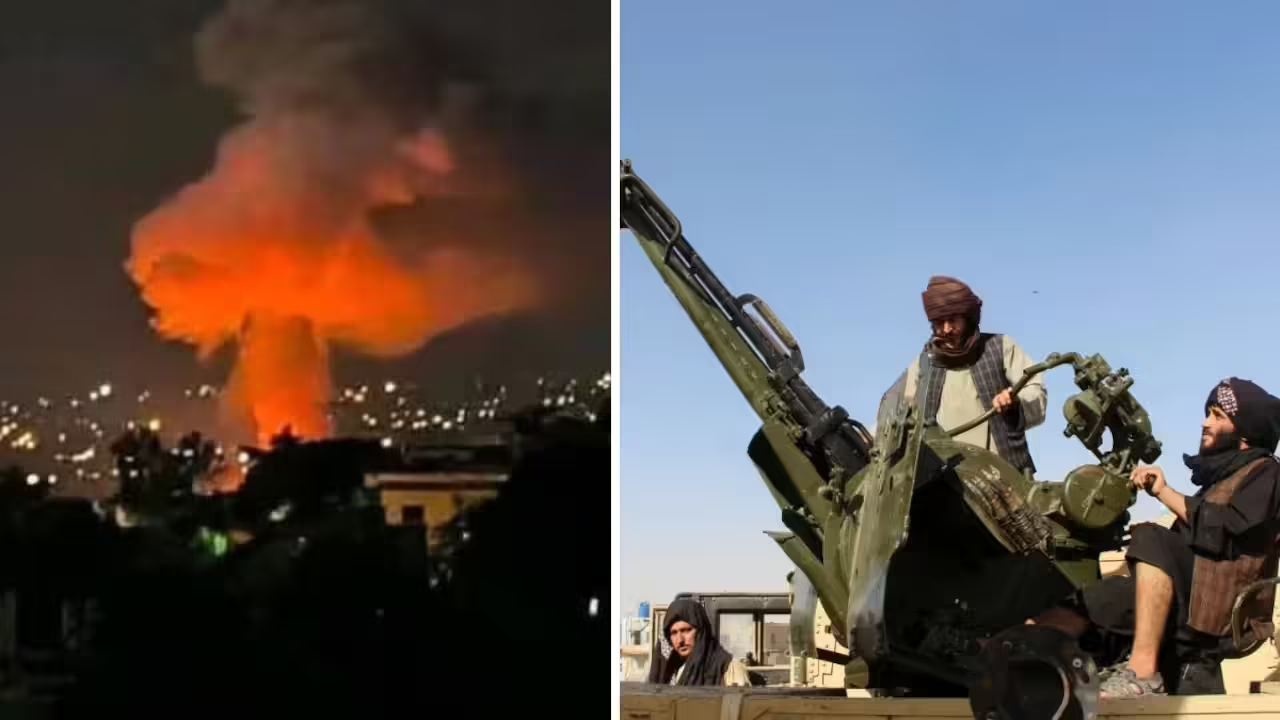
The ongoing tension between Pakistan and Afghanistan has escalated following recent military actions. After a significant airstrike conducted by the Pakistan Army, the Taliban responded with a series of retaliatory actions. This conflict has its roots in a complex history of border disputes, militant activities, and political instability in the region. The airstrike reportedly targeted specific militant positions, aiming to diminish the influence of insurgent groups that have been operating across the porous border between the two nations.
In response to the Pakistani airstrike, the Taliban has ramped up its military operations, leading to increased skirmishes along the border. This has raised concerns among local populations and international observers about the potential for a larger conflict. The situation is particularly precarious, as both countries have experienced significant challenges related to security, governance, and humanitarian issues. Civilians in border areas are especially vulnerable, facing the brunt of military actions and heightened tensions.
The deteriorating relations between Pakistan and Afghanistan highlight deeper geopolitical dynamics at play in South Asia. Both nations have accused each other of harboring and supporting militant groups, which complicates efforts to achieve long-term stability in the region. International stakeholders, including neighboring countries and global powers, are closely monitoring the situation, as any escalation could have far-reaching implications not just for Pakistan and Afghanistan, but for regional security as a whole. The urgent need for dialogue and diplomatic engagement has never been more critical to prevent further violence and to address the underlying issues that fuel this enduring conflict.