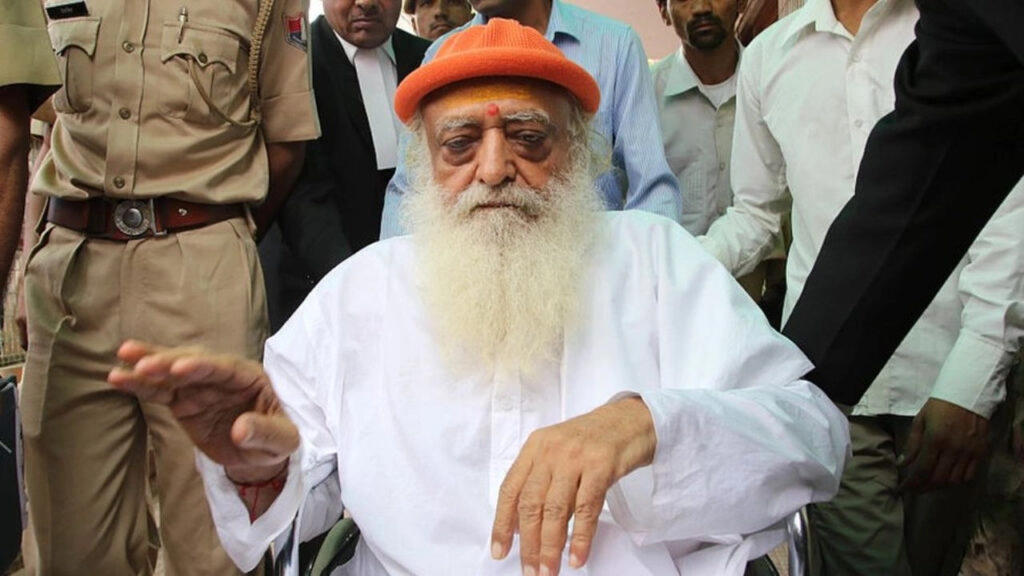
In a significant setback for Asaram Bapu, the Supreme Court of India has denied his request for bail. The court’s decision underscores the seriousness of the charges against him and reflects its cautious approach to his case. Asaram, a self-styled spiritual leader, has been embroiled in legal troubles for several years, facing allegations of sexual assault and other serious offenses. His plea for bail was met with firm resistance from the Supreme Court, which indicated that it would reconsider the matter only if the circumstances deteriorate further.
The Supreme Court’s statement highlights the gravity of the situation surrounding Asaram’s legal battles. The court appears to be taking a meticulous stance, prioritizing the integrity of the judicial process over the interests of the accused. Asaram’s legal team had hoped for a more favorable outcome, but the court’s refusal to grant bail suggests that the evidence and circumstances surrounding the case remain compelling enough to warrant continued detention. This development is particularly noteworthy given the broader context of ongoing discussions regarding the treatment of high-profile individuals in the justice system.
As the legal proceedings continue, the implications of this ruling extend beyond Asaram himself. It raises questions about the influence of public opinion and the role of the judiciary in addressing cases involving prominent figures. The Supreme Court’s decision may serve as a precedent for similar cases, emphasizing the need for a thorough examination of the facts before any leniency can be afforded. Asaram’s situation remains a focal point of media attention, and the ongoing legal developments will likely keep the public engaged in this high-profile case.