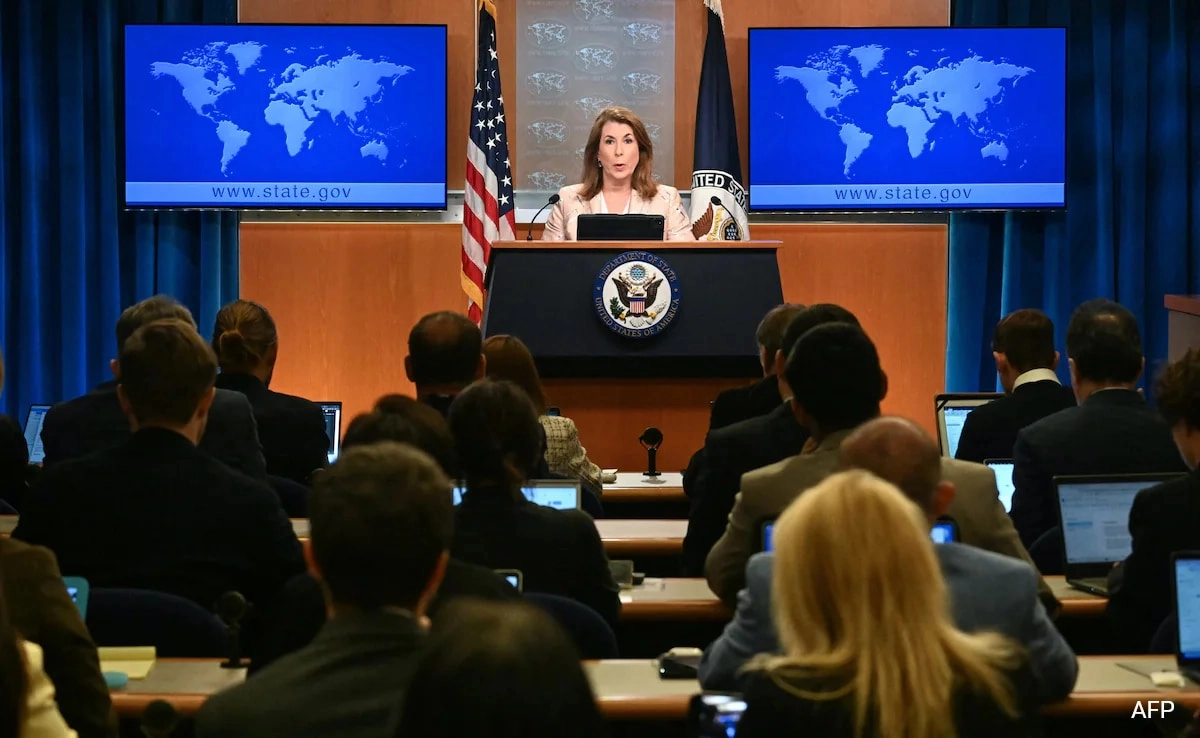
In a recent press briefing, the spokesperson for the U.S. State Department faced a challenging moment when a Pakistani journalist attempted to inquire about the tragic attack in Pahalgam, India. The incident, which involved the tragic loss of lives, has drawn attention not only for its immediate impact but also for its broader implications on regional security and international relations. As the journalist posed questions regarding the U.S. stance on the violence and its potential influence on Indo-Pak relations, the spokesperson’s response was unexpectedly dismissive. This interaction highlighted the complexities and sensitivities surrounding discussions of terrorism and violence in the South Asian context.
The spokesperson’s refusal to engage with the journalist’s questions, which were rooted in legitimate concerns about the attack, raised eyebrows and sparked debates about the U.S. diplomatic approach to such issues. Critics argue that dismissing questions from journalists, particularly those from countries directly affected by the violence, undermines the importance of dialogue and understanding in addressing the root causes of terrorism. Instead of fostering a constructive exchange, the response seemed to suggest a reluctance to fully acknowledge the nuances of the situation, which is often shaped by historical tensions and geopolitical rivalries.
This incident serves as a reminder of the challenges faced by journalists in seeking accountability and clarity from government officials on critical issues. It underscores the need for transparency and open communication, especially when addressing topics that carry significant weight in international relations. As tensions continue to simmer in regions like South Asia, it is crucial for diplomatic channels to remain open and for representatives to engage thoughtfully with questions that might reflect the concerns of those directly impacted by such violence. The Pahalgam attack, while a localized tragedy, resonates far beyond its immediate geographic context and highlights the interconnected nature of security issues on a global scale.