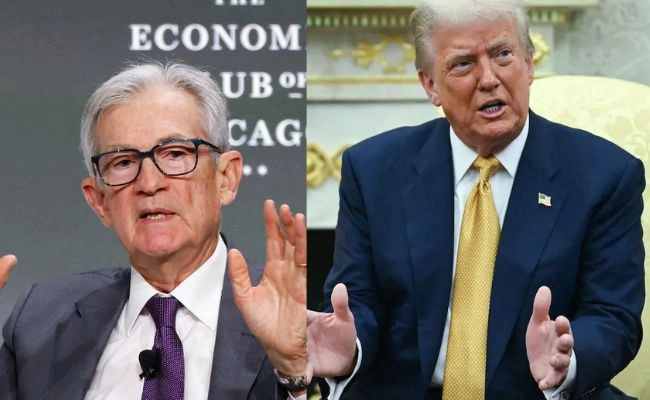
The ongoing tension between former President Donald Trump and Federal Reserve Chairman Jerome Powell has intensified over the issue of interest rates. Trump has repeatedly criticized Powell for his refusal to lower interest rates, arguing that such a move would stimulate economic growth and support his administration’s efforts to bolster the U.S. economy. He believes that lower borrowing costs would encourage consumer spending and business investments, ultimately leading to job creation and a more robust economic environment. Trump’s frustration is compounded by the fact that he perceives Powell’s stance as a hindrance to his economic agenda, particularly as he seeks to maintain momentum during his presidency.
On the other hand, Powell has maintained a cautious approach, emphasizing the importance of managing inflation and ensuring long-term economic stability. He argues that while lower interest rates can provide short-term benefits, they can also lead to overheating in the economy, resulting in inflationary pressures that could undermine growth in the long run. Powell’s commitment to a balanced approach reflects the Federal Reserve’s dual mandate of promoting maximum employment while keeping inflation in check. His decisions are based on extensive economic data and analysis, which highlight the risks associated with overly aggressive monetary policy.
This clash is emblematic of the broader debate surrounding monetary policy and its influence on economic performance. Trump’s insistence on lower rates underscores a more interventionist approach, prioritizing immediate economic stimulus over potential long-term consequences. Conversely, Powell’s cautious stance highlights the complexities of managing a national economy, where decisions must consider a multitude of factors, including global economic conditions and domestic financial stability. This fundamental disagreement between the executive branch and the Federal Reserve illustrates the challenges policymakers face in navigating the delicate balance between stimulating growth and preventing inflation, making it a critical issue in the ongoing discourse about the U.S. economy.
As the economic landscape continues to evolve, the relationship between Trump and Powell will likely remain a focal point of discussion, influencing both market perceptions and policy decisions. The outcome of this clash could have significant implications for the future of U.S. monetary policy, as both sides grapple with the pressing need to foster growth while ensuring that inflation remains under control. The ongoing dialogue between political leaders and central bankers will be crucial in shaping economic strategies that aim to benefit all Americans.