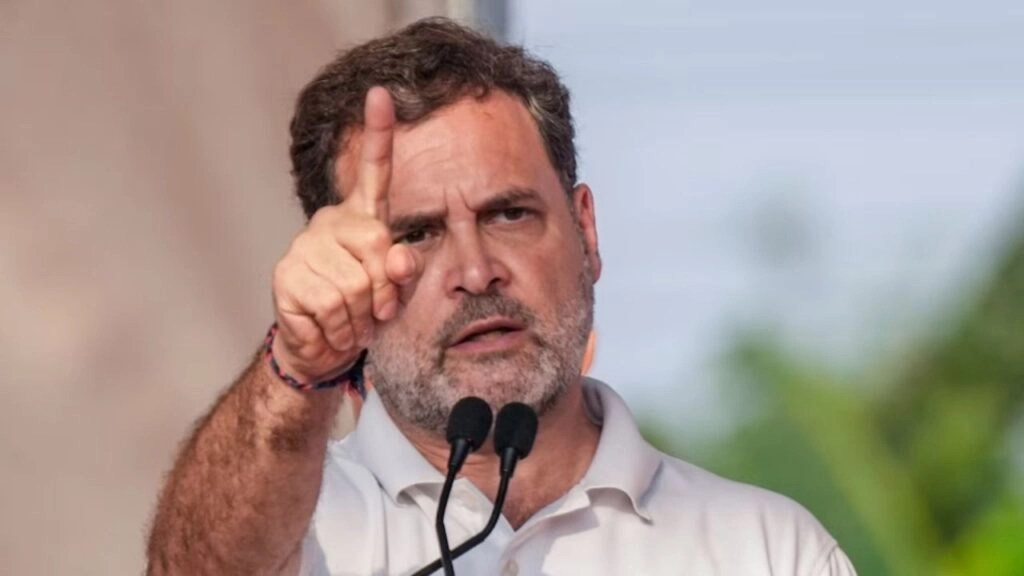
The recent meeting between Indian politician Rahul Gandhi and world leaders Narendra Modi and Georgia Meloni has sparked a significant amount of criticism. Many observers argue that Gandhi’s approach during this encounter lacked the qualities typically associated with effective leadership. Instead, they characterize his actions as a mere gimmick, designed more for show than for meaningful political engagement. This perception raises questions about Gandhi’s ability to navigate complex political landscapes and effectively represent his party’s interests on an international stage.
Critics argue that true leadership requires a strategic vision and the ability to engage constructively with other political figures. In contrast, Gandhi’s approach has been perceived as lacking substance, focusing instead on theatrics rather than fostering genuine dialogue. This criticism highlights a broader concern regarding the effectiveness of political leaders in addressing pressing issues both domestically and globally. The meeting with Modi and Meloni, two prominent figures in their respective countries, was an opportunity for Gandhi to showcase his diplomatic skills and articulate a clear stance on various issues, yet many feel he fell short of expectations.
The implications of this meeting extend beyond individual reputations; they also reflect on the political climate in India and the challenges faced by the opposition party. As the political landscape evolves, Gandhi’s ability to connect with global leaders and convey a compelling vision for India is crucial. The criticisms directed at him serve as a reminder of the high stakes involved in political leadership and the necessity of moving beyond superficial engagements to foster real change. Ultimately, the discussions between Modi, Meloni, and Gandhi will be closely scrutinized, as they may have lasting effects on the perception of leadership in contemporary politics.