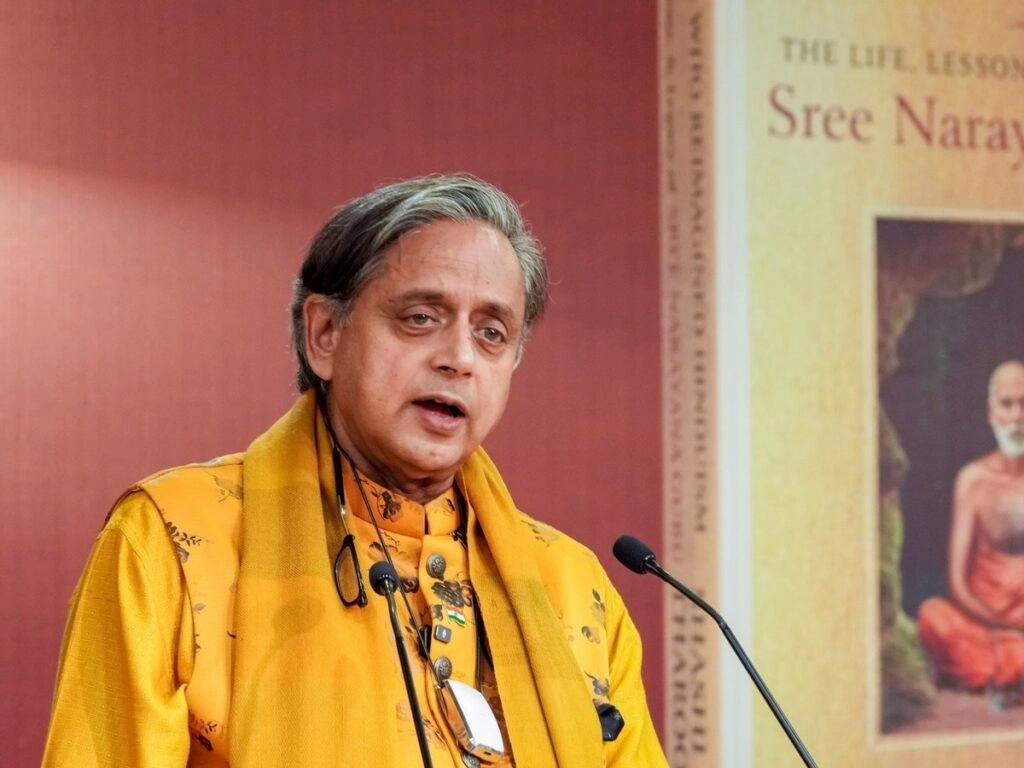
Recently, a significant discussion emerged regarding the name of the Indian state of Kerala. The ruling government has decided to promote the pronunciation of the state’s name as “Kerala,” which raises questions and concerns among many residents and political figures. This initiative has sparked a strong reaction from Shashi Tharoor, a prominent politician and author from Kerala, who expressed his discontent with the government’s decision. Tharoor’s anger stems from the belief that altering the pronunciation of a name steeped in cultural and historical significance undermines the identity of the state.
Tharoor argues that the name “Kerala” is deeply rooted in the region’s heritage, representing its unique culture and traditions. He believes that the government’s push to change the pronunciation is not just a trivial matter but rather an attempt to reshape the identity of the people and the state itself. For many, the name Kerala resonates with pride and a sense of belonging, and altering it could be perceived as an imposition from those outside the state. Tharoor’s concerns highlight a broader conversation about the importance of preserving local identities in the face of government decisions that may not reflect the sentiments of the populace.
The issue also raises questions about how names and identities are constructed and the power dynamics involved in such changes. In a diverse country like India, where multiple languages and cultures coexist, the significance of names can vary widely among different groups. Tharoor’s reaction to the Modi government’s decision reflects a growing trend where politicians and citizens alike are increasingly vocal about preserving their cultural identities in the face of perceived encroachments. As this debate unfolds, it invites further discussion on the importance of respecting local languages and pronunciations, particularly in a nation that prides itself on its rich tapestry of cultures. The situation in Kerala is a reminder of the delicate balance between national policies and regional identities, emphasizing the need for dialogue and understanding in a diverse society.