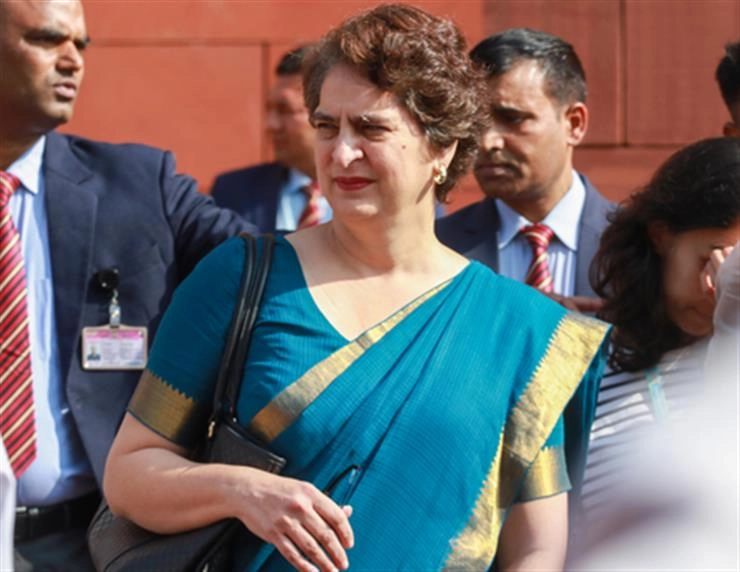
Priyanka Gandhi has recently raised concerns regarding the decision to rename the Mahatma Gandhi National Rural Employment Guarantee Act (MGNREGA), labeling the change as unnecessary. The MGNREGA, which was established to provide legal guarantee for at least 100 days of wage employment in a financial year to every rural household, has been a crucial program for rural development and poverty alleviation in India. Priyanka’s criticism reflects a broader sentiment among many who believe that the focus should remain on enhancing the effectiveness of such programs rather than altering their identities.
During her remarks, Priyanka emphasized that the renaming of well-established initiatives can distract from their core objectives. She argued that instead of fostering progress, such changes could lead to confusion among the beneficiaries and undermine the trust that communities have in government programs. The act was originally named to honor Mahatma Gandhi and to embody the spirit of his commitment to rural empowerment and employment. Renaming it, in her view, diminishes the legacy associated with these values and the historical context that informs their significance.
Furthermore, Priyanka Gandhi’s comments highlight a growing discontent among various political factions and civil society groups regarding government priorities. Many advocates argue that the focus should instead be on improving the implementation of existing policies, ensuring timely disbursement of wages, and expanding the reach of the program to include more beneficiaries. By diverting attention toward renaming initiatives, there is a risk of neglecting the pressing issues that rural communities face, such as inadequate infrastructure, lack of job opportunities, and the need for skill development.
In conclusion, Priyanka Gandhi’s questioning of the renaming of MGNREGA serves as a crucial reminder of the importance of maintaining the integrity and purpose of social welfare programs. As India continues to grapple with economic challenges, it is essential for policymakers to prioritize effective governance and the delivery of tangible benefits to the people, rather than engaging in what many perceive as superficial changes. By addressing the substantive issues at hand, the government can better serve the needs of rural households and uphold the values of empowerment and dignity that the original act sought to promote.