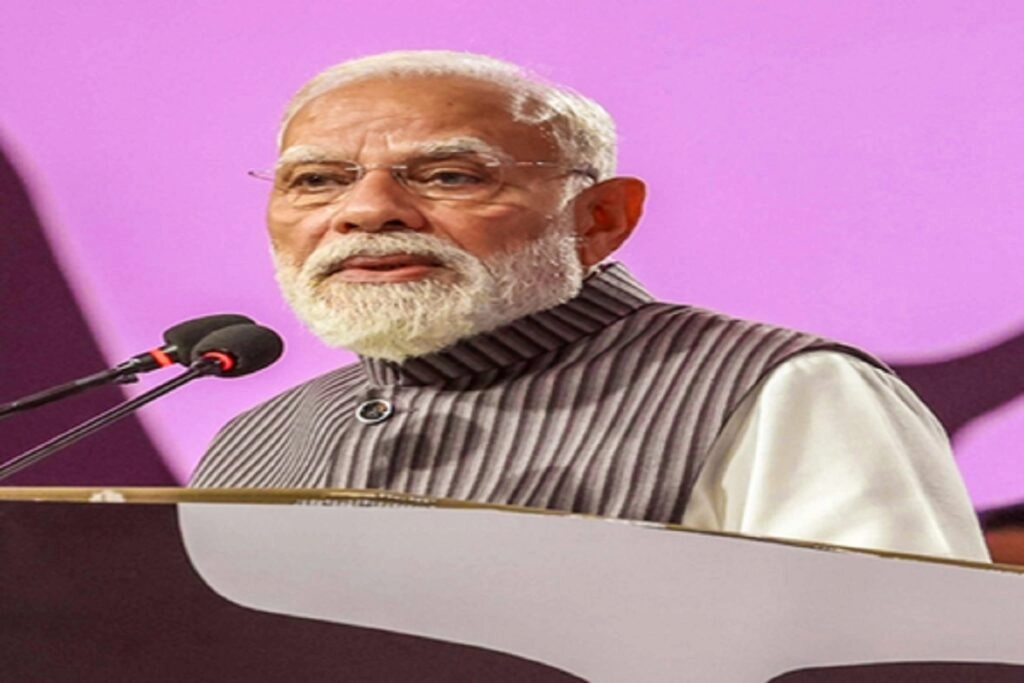
On Friday, Prime Minister Narendra Modi is set to engage in a crucial discussion with Chief Ministers regarding the ongoing crisis in the Middle East. This meeting underscores the significance of the situation, which has implications not only for the region but also for global stability and security. The Prime Minister’s decision to convene this dialogue reflects a proactive approach to understanding the complexities of the crisis and formulating a collective response.
The Middle East has been a focal point of geopolitical tensions, with conflicts affecting millions and posing challenges to international relations. By involving the Chief Ministers, PM Modi aims to gather insights and perspectives from various states, recognizing that local governance plays a pivotal role in shaping national policy. This collaborative effort is vital as it allows for a more comprehensive understanding of the implications of the crisis, particularly in terms of economic, social, and humanitarian aspects.
During the discussion, it is expected that various strategies will be considered to address the fallout from the crisis, including the potential impact on Indian citizens residing in the region and the need for humanitarian assistance. The meeting will also provide an opportunity to discuss India’s diplomatic stance and how it can contribute to peace and stability in the Middle East. As the situation evolves, the government remains committed to ensuring that its foreign policy aligns with the best interests of the nation and its people.
Ultimately, PM Modi’s dialogue with the Chief Ministers signifies a united front in addressing the Middle East crisis, emphasizing the importance of cooperation at all levels of government. By fostering collaboration and open communication, India can better navigate the complexities of international conflicts and work towards a resolution that promotes peace and security not only in the Middle East but across the globe.