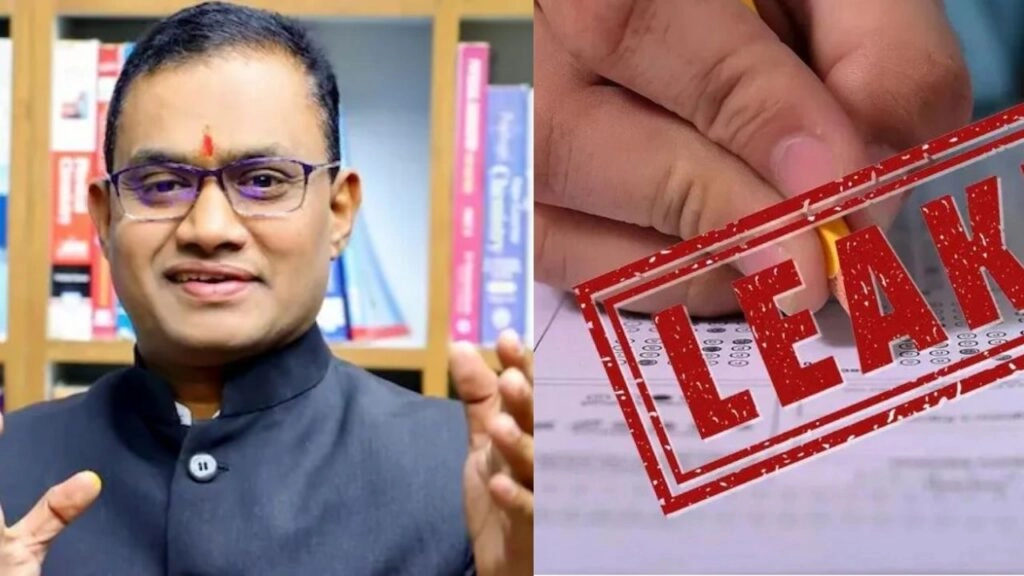
In a startling revelation regarding the National Eligibility cum Entrance Test (NEET) for undergraduate courses in 2026, it has come to light that a significant scandal has unfolded involving the leaking of exam questions. Reports indicate that a bribe of Rs 5 lakh was allegedly paid to a paper-setter, leading to the compromising of the examination’s integrity. This disturbing news raises serious concerns about the efficacy of the measures in place to ensure a fair and transparent examination process for aspiring medical students across India.
Investigators have found that 111 questions from the leaked paper closely matched those in the original National Testing Agency (NTA) exam. This alarming correlation not only undermines the credibility of the NEET examination but also poses a grave threat to the meritocratic principles that are supposed to govern medical admissions in the country. The implications of such a breach are profound, as it could potentially allow unqualified candidates to gain entry into medical programs, thereby jeopardizing the quality of healthcare in India.
The NTA, responsible for conducting the NEET, now faces intense scrutiny as it grapples with the fallout from this scandal. Calls for stringent measures to enhance the security of examination processes are louder than ever, as stakeholders demand accountability and transparency. This incident underscores the critical need for robust systems to prevent such occurrences in the future, ensuring that the dreams and aspirations of genuine candidates are not compromised by corruption and malpractice. The ramifications of this leak extend beyond the immediate scandal; they also call into question the future of medical education in India and the integrity of its examination systems.