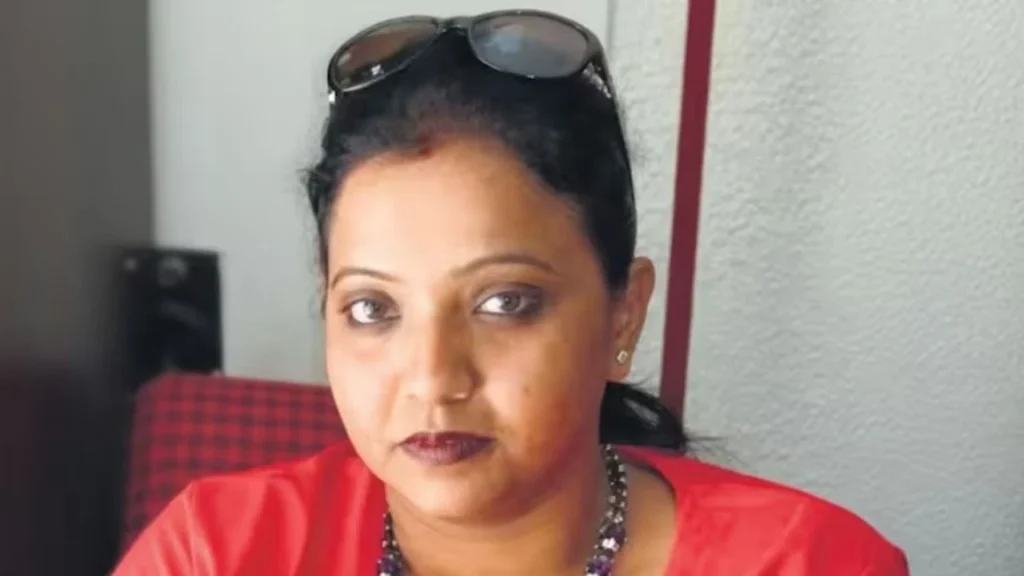
In a significant development surrounding the NEET (National Eligibility cum Entrance Test) paper leak case, the accused, Manisha Waghmare, has been denied bail by the court. This decision comes in the wake of serious allegations regarding the integrity of the examination process, which is critical for students aspiring to enter medical colleges in India. The court’s refusal to grant bail reflects the gravity of the situation and the need for a thorough investigation into the matter.
During the proceedings, the court highlighted the potential implications of such a large-scale leak on the educational system and the fairness of the examination for countless students. The judges expressed concerns regarding the integrity of the NEET examination and emphasized that allowing the accused to go free could jeopardize the ongoing investigation. Moreover, it was noted that Waghmare’s claims of suffering from vertigo, a condition characterized by dizziness and a false sense of spinning, were not sufficient to warrant bail. The court maintained that the severity of the charges against her outweighed her health concerns, underscoring the importance of upholding justice in this case.
The NEET paper leak scandal has raised alarm among students, parents, and educational authorities alike. As the investigation unfolds, it is crucial for the judicial system to ensure that perpetrators of such fraudulent activities are held accountable. The court’s decision to deny bail serves as a reminder of the legal system’s commitment to maintaining the integrity of educational assessments and protecting the rights of honest students who strive to succeed based on merit. This case will likely continue to attract attention as it progresses, with many watching closely to see how the legal proceedings unfold and what measures will be implemented to prevent such incidents in the future.