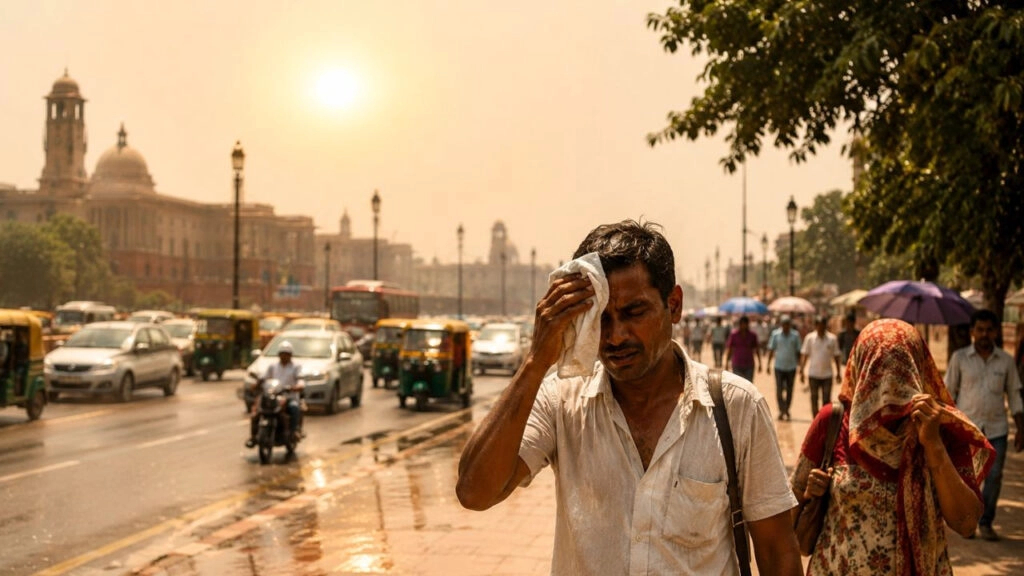
In May, Delhi experienced unprecedented heat, with temperatures soaring beyond 46 degrees Celsius. This record-breaking heatwave marked the hottest day the city has witnessed in two years, a stark reminder of the escalating climate challenges facing urban environments. The extreme temperatures not only affected daily life but also posed serious health risks for residents, particularly vulnerable populations such as the elderly and those with pre-existing health conditions.
The relentless heatwave prompted authorities to issue advisories urging citizens to stay indoors during peak hours, stay hydrated, and take precautions against heat-related illnesses. Many were left grappling with the discomfort of sweltering conditions, as the city’s infrastructure struggled to cope with the demands of such extreme weather. This situation led to increased energy consumption, with air conditioning units working overtime to provide relief, thus placing additional stress on the power grid.
The return of such intense heat after a two-year hiatus raises concerns about the broader implications of climate change. Experts warn that as global temperatures continue to rise, cities like Delhi will face more frequent and severe heatwaves, exacerbating existing issues related to air quality, water supply, and public health. This situation underscores the urgent need for comprehensive climate action, including better urban planning, improved infrastructure, and public awareness campaigns to help communities adapt to the changing climate. The experience of this May serves as a wake-up call for individuals and policymakers alike, highlighting the importance of addressing climate change proactively to mitigate its impacts on future generations.