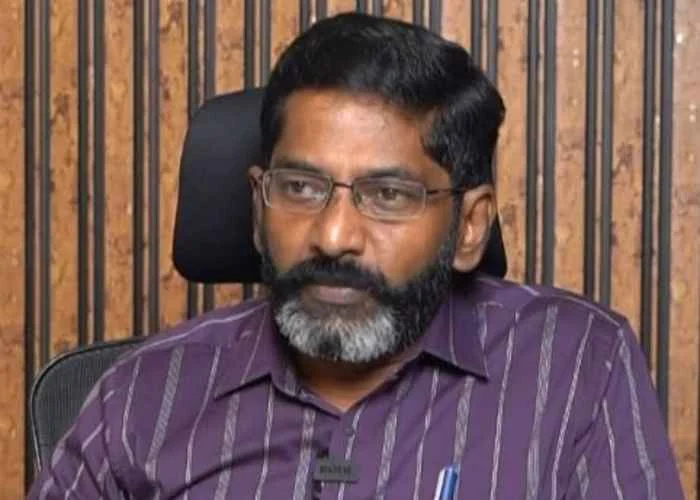
The Madras High Court has recently granted bail to YouTuber Savukku Shankar, who was embroiled in a defamation case associated with a film. This legal battle has garnered significant attention, as it highlights the ongoing tensions between freedom of speech and the protection of individual reputations in the digital age. Savukku Shankar, known for his outspoken views and critiques on various topics, found himself in a challenging situation after being accused of defamation, which could potentially have serious implications for his career and personal life.
The court’s decision to grant bail is a crucial development, as it reflects the judiciary’s approach to balancing the rights of individuals to express their opinions and the need to safeguard against false statements that could harm reputations. The defamation case arose from comments made by Shankar regarding a particular film, which some parties deemed damaging. This incident sheds light on the broader issues of accountability and responsibility in the realm of online content creation, where influencers and commentators often walk a fine line between critique and libel.
Savukku Shankar’s case is emblematic of the challenges faced by digital creators who engage in public discourse. As more individuals turn to platforms like YouTube to share their thoughts and criticisms, the potential for legal repercussions increases. The Madras High Court’s ruling not only provides relief for Shankar but also serves as a reminder of the ongoing debates surrounding freedom of expression, especially in an era where social media plays a pivotal role in shaping public opinion.
Overall, this case underscores the importance of establishing clear guidelines that protect both the right to speak freely and the right to protect one’s reputation. As society continues to navigate these complex issues, the outcomes of such cases will likely influence future interactions between media personalities and the subjects of their commentary. The balance struck by the courts will be pivotal in determining how similar cases are handled moving forward, ensuring that both freedom of expression and the integrity of individuals are upheld in a rapidly evolving digital landscape.