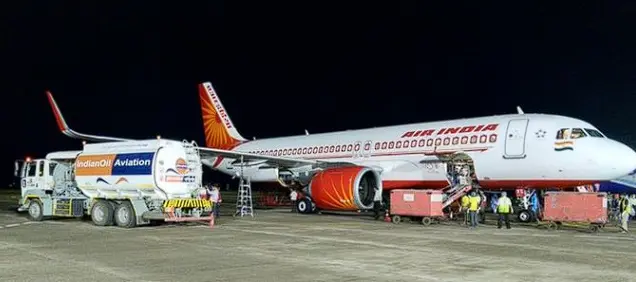
The government has recently announced a reduction in aviation turbine fuel (ATF) prices by Rs 5 per litre, a move that aims to alleviate some of the financial pressures faced by the aviation sector. This decision comes at a time when the industry is grappling with various challenges, including fluctuating fuel prices and the ongoing impact of the pandemic on air travel demand. By lowering ATF prices, the government hopes to provide some relief to airlines, which have been experiencing substantial operational costs. The reduction is expected to positively impact ticket prices, making air travel more accessible to the general public.
In conjunction with the ATF price cut, the government has also reset export duties on petrol, diesel, and ATF. This adjustment in export duties is significant as it reflects the government’s strategy to stabilize fuel prices in the domestic market while also addressing the needs of the export sector. By recalibrating these duties, the government aims to ensure that domestic consumers are not adversely affected by global fuel price fluctuations. The reset in export duties signifies a proactive approach to managing the balance between domestic fuel supply and international market dynamics.
This dual action of reducing ATF prices and adjusting export duties is part of a broader effort to support the aviation industry and related sectors while maintaining economic stability. Stakeholders in the aviation sector are likely to welcome these measures, as they can lead to reduced operational costs and potentially spur an increase in travel demand. Ultimately, this government initiative seeks to foster a more resilient aviation sector that can adapt to the rapidly changing global economic landscape while ensuring that air travel remains an affordable option for consumers.