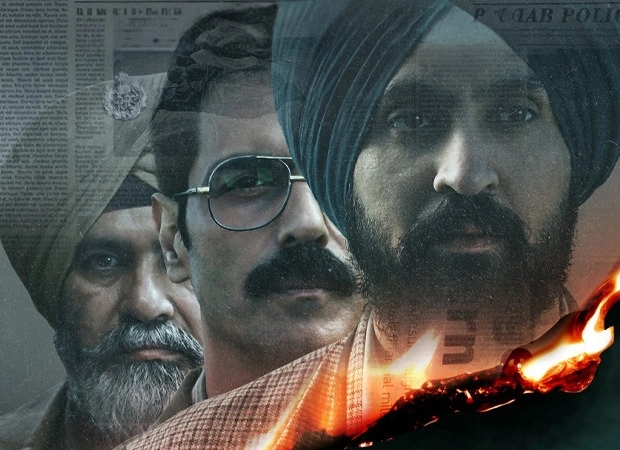
In a surprising turn of events, the much-anticipated film “Satluj” has been removed from the streaming platform ZEE5 in India just 48 hours after its release. This unexpected decision has left many fans and viewers bewildered, especially considering the film’s recent debut and the buzz it had generated prior to its launch. The platform’s announcement regarding the removal cited “current developments” as the reason behind this abrupt action, though it did not provide specific details about what those developments entail.
The swift withdrawal of “Satluj” raises numerous questions about the factors influencing content availability on streaming platforms in India. Speculation is rife among fans and critics alike regarding the reasons for ZEE5’s decision. Some believe it could be related to political or social sensitivities that have emerged in response to the film’s themes or portrayal of certain issues. Others suggest that the removal may stem from legal challenges or controversies surrounding the film’s content, which might have prompted the platform to act quickly to mitigate any potential backlash.
As audiences digest this shocking news, discussions about censorship and the challenges faced by filmmakers in the current climate are becoming increasingly relevant. The incident underscores the precarious nature of digital content distribution in India, where filmmakers often navigate a complex landscape of regulatory scrutiny and public sentiment. As “Satluj” is pulled from the platform, it becomes a focal point for broader conversations about artistic freedom, the responsibilities of streaming services, and the impact of societal reactions on creative expression.
Overall, the removal of “Satluj” from ZEE5 serves as a stark reminder of the ever-changing dynamics of content consumption in the digital age, where a film’s fate can shift dramatically in a matter of hours based on external factors. As viewers await further clarification on the situation, the incident highlights the importance of transparency and communication between content creators, distributors, and audiences in an era where media can influence public discourse in significant ways.