
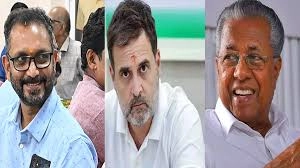
The upcoming Kerala Election in 2026 is shaping up to be a significant event, particularly concerning the Muslim vote bank, which has historically played a crucial role in the state’s political landscape. The Left Democratic Front (LDF) and the United Democratic Front (UDF) are gearing up for a fierce contest, each vying for supremacy in a region where communal identities often influence electoral outcomes. The Muslim community, comprising a substantial portion of the electorate, is expected to be a pivotal factor in determining the election’s outcome, making it a focal point for both alliances as they strategize to attract these voters.
The LDF, led by the Communist Party of India (Marxist), has been focusing on social welfare initiatives and development projects that appeal to a broad base, including the Muslim community. On the other hand, the UDF, primarily composed of the Indian National Congress and its allies, is expected to leverage its historical ties with various religious groups, including Muslims, to consolidate their support. The competition between these two coalitions will likely intensify as they seek to highlight their achievements while criticizing each other’s policies, particularly in areas like education, healthcare, and employment, which resonate well with voters.
In contrast, the Bharatiya Janata Party (BJP) aims to make inroads into Kerala’s political scenario, which has been dominated by the LDF and UDF for decades. The party’s strategy may involve appealing to the state’s Hindu electorate while attempting to win over disenchanted voters from the other coalitions. However, the BJP faces an uphill battle in a state where communal dynamics are complex, and the Muslim community’s loyalty remains strong towards the existing political fronts. As the election approaches, the strategies employed by these parties will be closely scrutinized, and the extent to which the BJP can make a dent in the traditional stronghold of the LDF and UDF will be of significant interest to observers and political analysts alike.
As the political landscape continues to evolve, it will be important to watch how each coalition addresses key issues that resonate with voters, particularly the younger generation. The role of social media and grassroots mobilization will also play a critical part in shaping public opinion leading up to the election. The stakes are high, and the battle for the Muslim vote bank, along with the broader electoral dynamics, will undoubtedly define the trajectory of Kerala’s political future in 2026.


