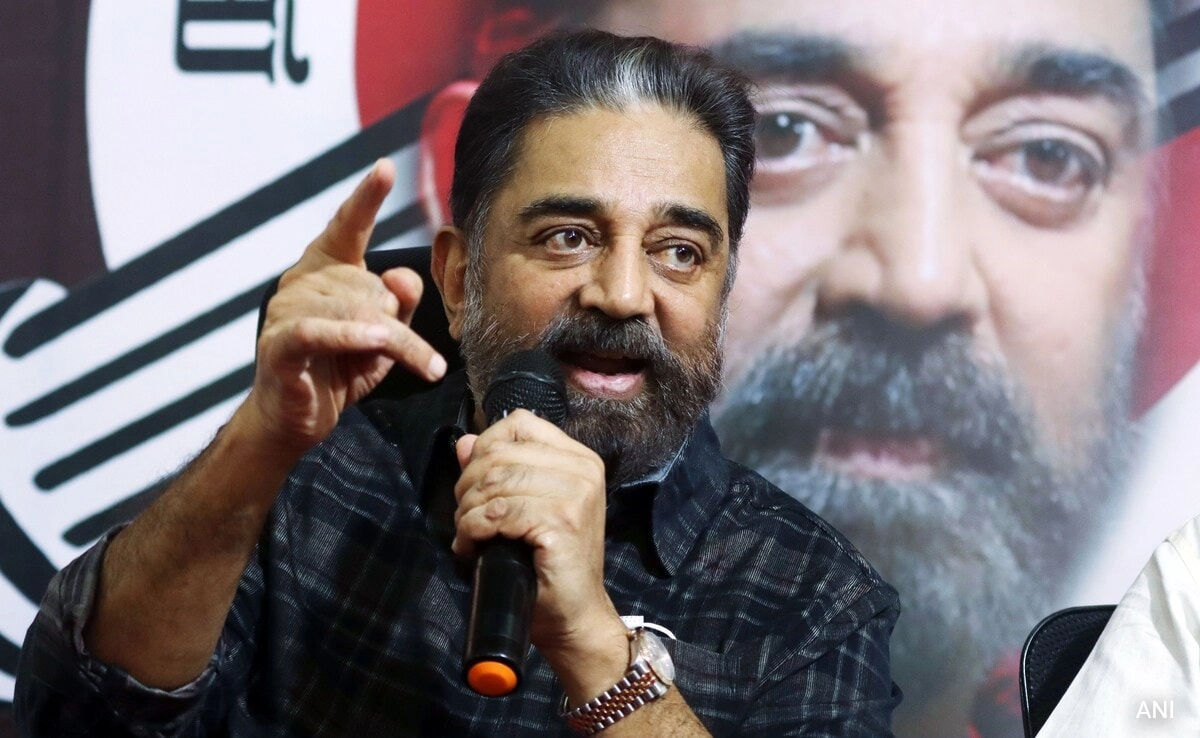
Kamal Haasan, the renowned Indian actor and political figure, has recently voiced his strong opposition to the National Eligibility cum Entrance Test (NEET), claiming that it denies educational opportunities to countless children across the country. In his remarks, Haasan highlighted the inherent inequalities that the examination perpetuates, suggesting that it serves as a barrier for students from disadvantaged backgrounds. He argues that the competitive nature of NEET not only places immense pressure on young minds but also disproportionately affects those who cannot afford the resources necessary for adequate preparation, such as coaching classes and study materials.
Haasan further elaborated on the socio-economic implications of NEET, pointing out that it exacerbates existing disparities in the education system. Children from rural areas and economically weaker sections often lack access to quality education, which puts them at a significant disadvantage when competing in a standardized examination like NEET. He emphasized that while the intention behind such exams may be to streamline medical admissions, the practical outcome is a system that favors the privileged and marginalizes those who are already at risk of being left behind.
In his critique, Haasan called for a more equitable approach to education that prioritizes accessibility and inclusivity. He advocates for reforms that would allow for a more level playing field, where every child, regardless of their socio-economic background, has the opportunity to pursue higher education in the medical field. By highlighting the flaws within the NEET framework, Haasan aims to spark a broader conversation about the need for systemic change in how educational assessments are conducted in India. His stance resonates with many who believe that education should be a right, not a privilege, and that the current mechanisms in place must be re-evaluated to foster a more just society.