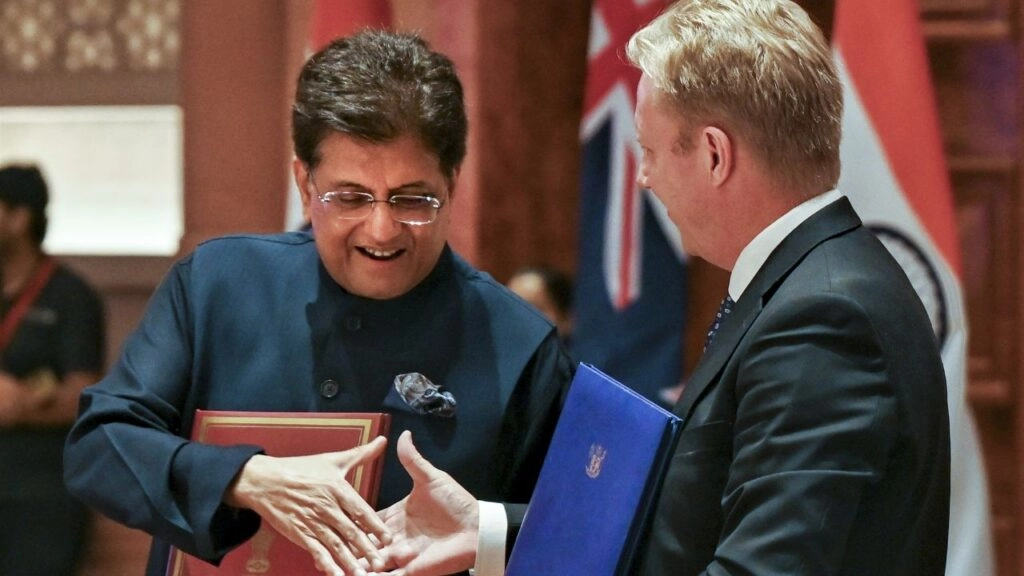
India and New Zealand have recently formalized a Free Trade Agreement (FTA) that promises to enhance bilateral trade relations between the two nations. This agreement focuses on a variety of sectors, including wool, sheep meat, and raw leather, which are significant for both economies. By eliminating tariffs and reducing trade barriers, the FTA aims to create a more favorable environment for exporters and importers in both countries, fostering economic growth and cooperation.
The inclusion of wool and sheep meat in the agreement is particularly noteworthy. New Zealand is renowned for its high-quality wool and lamb, making it a key player in the global sheep meat market. The FTA will allow Indian consumers access to premium products, while simultaneously providing New Zealand farmers with a larger market for their goods. This exchange is expected to benefit not only the agricultural sectors of both countries but also contribute to job creation and income generation in rural areas.
Furthermore, the agreement encompasses raw leather, an important commodity for India, which is one of the largest producers and exporters of leather goods in the world. By collaborating with New Zealand, India can enhance its leather industry by accessing better quality raw materials, which can improve the competitiveness of its finished products in international markets. This is a strategic move that underscores the commitment of both nations to bolster their economic ties and promote mutual growth.
As global trade dynamics evolve, such FTAs become crucial in establishing stronger economic partnerships. The India-New Zealand FTA is a step towards not just boosting trade volumes but also fostering closer diplomatic ties. With both countries keen on expanding their economic horizons, this agreement sets the stage for a fruitful collaboration that could pave the way for further agreements in other sectors, ultimately benefiting their economies and populations.