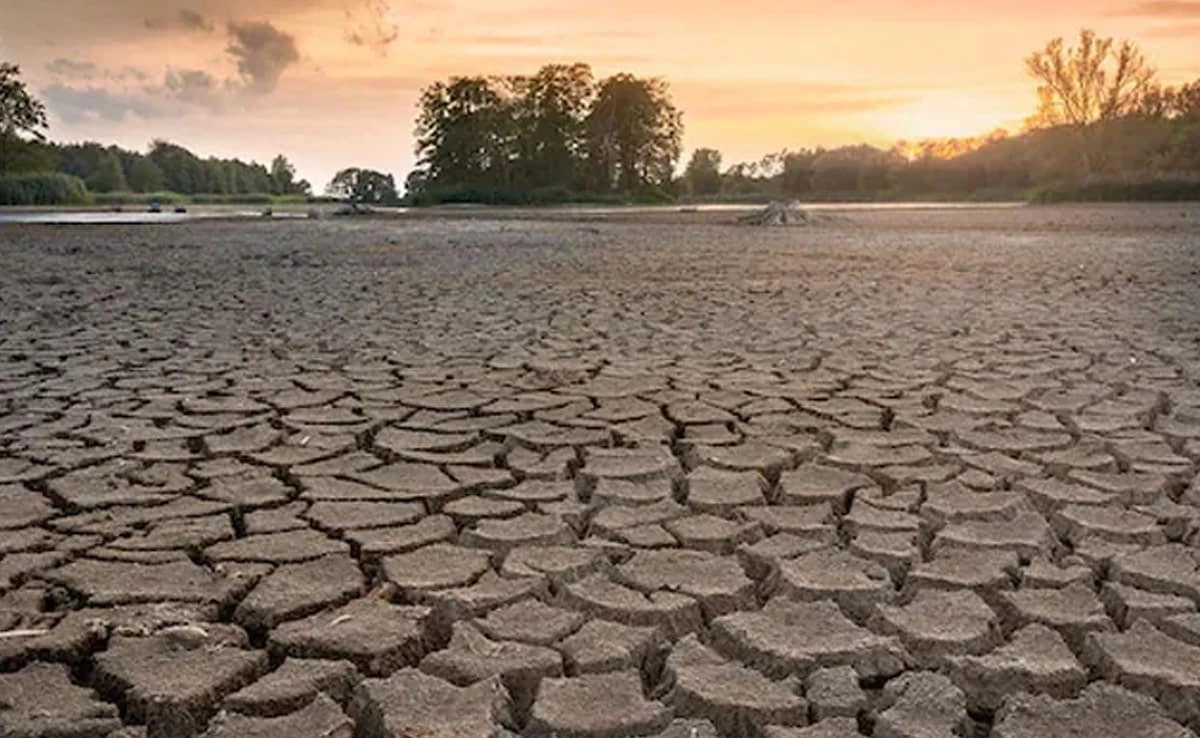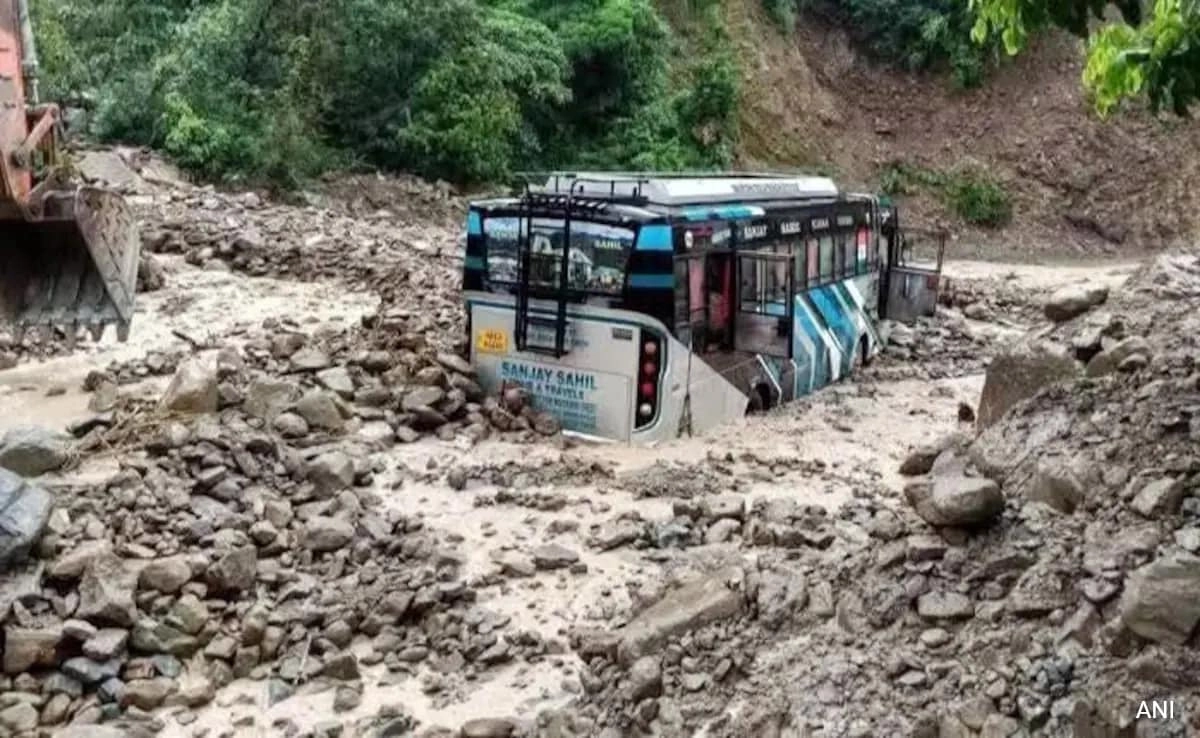
The Supreme Court has recently highlighted a pressing concern regarding the existential crisis faced by all states in the Himalayan region. This assertion underscores the multifaceted challenges that these states are grappling with, which are primarily driven by climate change, environmental degradation, and socio-economic pressures. The Himalayan region, known for its diverse ecosystems and cultural richness, is particularly vulnerable to the adverse effects of global warming, leading to glacial melt, increased landslides, and unpredictable weather patterns. Such environmental changes not only threaten the natural landscape but also jeopardize the livelihoods of the local populations who depend on these ecosystems for their survival.
Moreover, the Supreme Court’s statement brings attention to the urgent need for sustainable development and conservation strategies in the Himalayan states. As the region continues to experience rapid urbanization and industrialization, the delicate balance between economic growth and environmental preservation becomes increasingly precarious. The court’s acknowledgment of the crisis emphasizes the necessity for a coordinated response that involves both governmental and non-governmental organizations, as well as local communities. Collaborative efforts are essential to implement policies that prioritize ecological health while also addressing social and economic inequalities that exacerbate the vulnerabilities of the region’s inhabitants.
In addition to environmental concerns, the Himalayan states also face challenges related to infrastructure, healthcare, and education. The remoteness of many areas complicates access to essential services, further entrenching poverty and limiting opportunities for development. As climate change continues to impact the region, the need for resilient infrastructure that can withstand natural disasters becomes critical. The Supreme Court’s remarks serve as a call to action for stakeholders at all levels to recognize the interconnectedness of environmental, social, and economic issues in the Himalayan region. Only through a holistic approach can the existential threats facing these states be effectively addressed, ensuring a sustainable future for both the environment and its people.
Ultimately, the existential crisis articulated by the Supreme Court is a clarion call for immediate and concerted action. It is imperative for policymakers, scientists, environmentalists, and local communities to come together to devise innovative solutions that will mitigate the effects of climate change and promote sustainable practices. As the world watches, the fate of the Himalayan states hangs in the balance, demanding urgent attention and decisive measures to safeguard both the environment and the livelihoods of those who call this majestic region home.