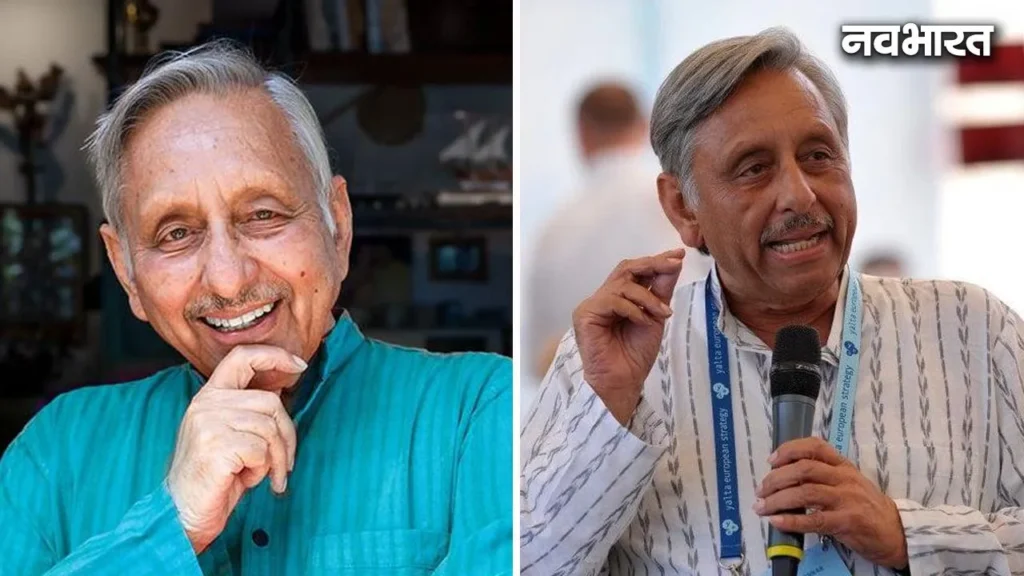
On the occasion of his birthday, it is worth reflecting on the life and contributions of Mani Shankar Aiyar, a prominent Indian politician and diplomat. Aiyar, known for his articulate views and commitment to social justice, has had a rich and varied career. However, one of the most intriguing anecdotes from his early life involves a moment with Mahatma Gandhi. It is said that Gandhi once held Aiyar in his lap and affectionately referred to him as “Sun-Moon,” symbolizing the bright potential he saw in the young boy. This incident not only highlights Aiyar’s early connection to one of India’s most revered leaders but also foreshadows his future involvement in the country’s political landscape.
Born into a family with a legacy of public service, Aiyar was exposed to the ideals of leadership and social reform from a young age. His education took him abroad, where he was influenced by various political ideologies and developed a keen understanding of international relations. Upon returning to India, he entered politics, where he became known for his progressive stance on issues such as education, economic development, and diplomatic relations. His time as a member of the Indian National Congress was marked by his advocacy for the marginalized and his efforts to bridge divides within society.
Aiyar’s journey has not been without controversy. His outspoken nature and willingness to challenge the status quo have made him both a respected figure and a polarizing one. Throughout his career, he has faced criticism and opposition, yet he has remained steadfast in his beliefs. His dedication to social justice and his vision for a more inclusive India continue to resonate with many. As we celebrate his birthday, it is essential to recognize not just the man himself but also the values he represents—values of empathy, courage, and a relentless pursuit of progress.
In reflecting on Aiyar’s life, we are reminded of the importance of mentorship and the influence of great leaders like Gandhi. The affectionate nickname “Sun-Moon” encapsulates the hope and brilliance that Aiyar has brought to Indian politics. As he continues to contribute to public discourse, his experiences and insights serve as a guiding light for future generations, encouraging them to embrace their potential and strive for a better society. Thus, Mani Shankar Aiyar’s story is not just about one individual; it is a testament to the enduring legacy of leadership and the power of ideals in shaping the future.