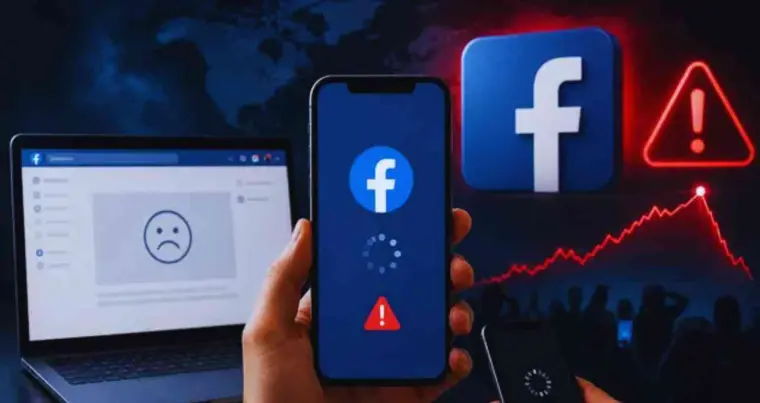
On a seemingly ordinary day, Facebook experienced a sudden and widespread outage that left millions of users around the globe unable to access the platform. This unexpected disruption sparked immediate concern among users who rely heavily on the social media giant for communication, news updates, and social interaction. As people attempted to log in, they were met with error messages and loading screens, leading to a flurry of activity on alternative platforms like Twitter, where users shared their frustrations and sought information about the situation.
The outage not only affected Facebook but also impacted other services owned by the company, including Instagram and WhatsApp. This interconnectedness raised alarms among users who feared a more significant issue might be at play. Many took to social media to express their worries, sharing memes and anecdotes about their reliance on Facebook for both personal and professional connectivity. The situation underscored the digital age’s dependence on a few dominant platforms, highlighting how a single company’s failure can ripple across various aspects of everyday life.
In the aftermath of the outage, Facebook released a statement acknowledging the issue and assuring users that they were working diligently to resolve it. The company’s transparency in addressing the problem helped to alleviate some worries, but the incident also prompted discussions about the reliability of such platforms. Users began to reflect on their digital habits and the importance of diversifying their online presence to mitigate the impact of future outages. As the service gradually came back online, many expressed relief but also a renewed awareness of the vulnerabilities inherent in our increasingly connected world.