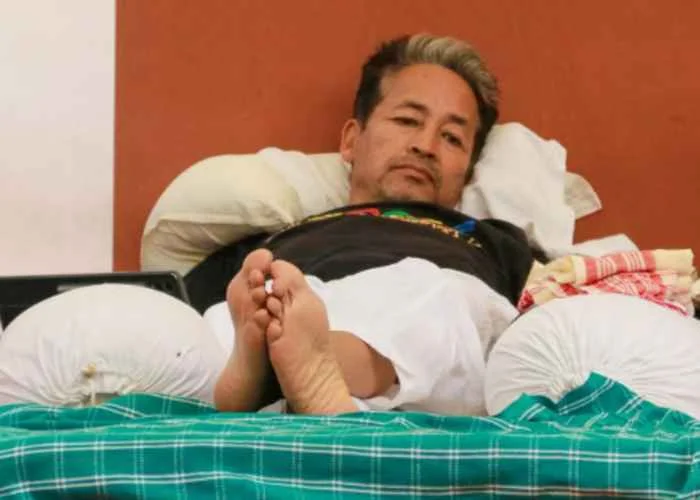
Sonam Wangchuk, a prominent engineer and education reformist, has decided to extend his hunger strike as a means of advocating for the rights of student protesters in India. This decision comes as a response to the ongoing challenges faced by students who have been voicing their concerns over various educational and social issues. Wangchuk, known for his innovative approaches to sustainable development and education, has taken this drastic step to draw attention to the plight of these students, who are often marginalized and unheard in the political arena.
Wangchuk is now calling for a meeting with members of Parliament to discuss the grievances of the protesting students. He believes that it is crucial for lawmakers to engage directly with the concerns of the youth, as they represent the future of the nation. His extended hunger strike serves not only as a personal sacrifice but also as a rallying call for greater awareness and action regarding educational reforms and social justice. By putting his health on the line, Wangchuk hopes to inspire others to join the movement and advocate for meaningful change within the education system.
The issues at hand include demands for more inclusive policies, better infrastructure in educational institutions, and a curriculum that reflects the diverse realities of students across the country. Wangchuk’s hunger strike has garnered significant media attention, highlighting the urgent need for dialogue between the government and the student community. He emphasizes that addressing these issues is not just a matter of student welfare but is essential for the overall progress of society. Through his actions, Wangchuk aims to put pressure on the authorities to take the concerns of students seriously and to foster an environment where their voices can be heard and valued.
In a country where youth make up a significant portion of the population, their concerns cannot be overlooked. Wangchuk’s efforts are a reminder of the vital role that civic engagement plays in shaping policies that directly affect the younger generation. As he continues his hunger strike, the hope is that it will spark a broader movement for change, encouraging more individuals to stand in solidarity with the students and demand a more just and equitable educational landscape.