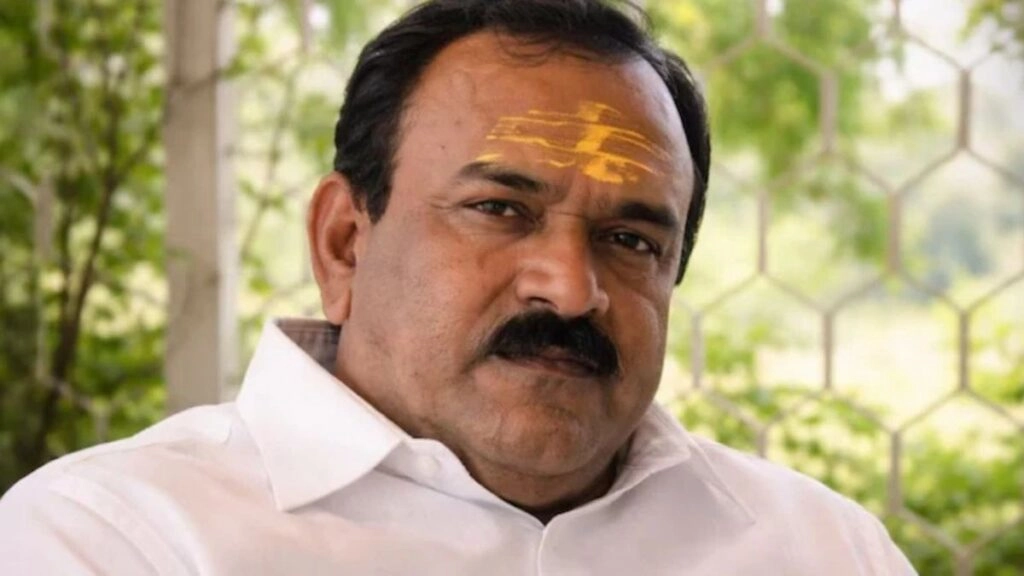
Sonam Wangchuk, the renowned engineer and environmental activist, is set to remain in a government hospital following a decision by the Delhi High Court, which has denied his plea for a transfer to a private facility. This ruling comes in the wake of his ongoing health concerns, which prompted his supporters to seek a more specialized treatment environment. Wangchuk is known for his innovative approaches to sustainable development in the Himalayan region, and his health has been a significant concern for both his followers and the broader community.
The Delhi High Court’s refusal to grant Wangchuk’s request reflects the judicial system’s confidence in the capabilities of government healthcare services. The court emphasized that the facilities available in government hospitals are adequate for his medical needs, and that transferring him to a private institution could potentially disrupt the continuity of care he is currently receiving. This decision has sparked a discussion about the quality of public healthcare in India and the challenges faced by patients who seek private treatment options.
Supporters of Wangchuk have expressed their disappointment with the court’s ruling, citing concerns over the quality of care in government hospitals. They argue that access to private healthcare could significantly improve his treatment outcomes, given the specialized services and resources available there. However, others believe that the decision underscores the importance of strengthening public healthcare systems rather than relying on private facilities. Wangchuk’s case has highlighted the ongoing debate in India regarding healthcare access, quality, and equity, particularly for individuals with specialized medical needs.
As Wangchuk continues to receive treatment in the government hospital, his supporters remain hopeful for his recovery. They see him not only as a leader in environmental sustainability but also as an inspiration for many in the fight for better healthcare and social justice. The outcome of this situation may have broader implications for healthcare policy in India, especially as more individuals advocate for improvements in public health services. The case serves as a reminder of the complexities surrounding healthcare access and the need for ongoing dialogue about the future of medical treatment in the country.