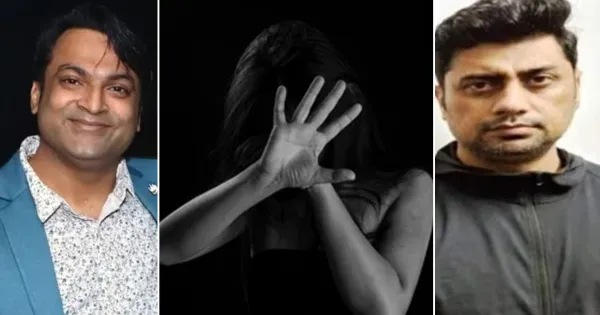
A former Member of the Legislative Assembly (MLA), known for his unconventional approach to political discourse, has been expelled from his party following his decision to write an open letter to Sonia Gandhi, the leader of the Indian National Congress. This letter, which was intended as a critique of the party’s direction and decision-making processes, sparked significant controversy and ultimately led to his removal. In his correspondence, the ex-MLA expressed concerns about the party’s strategies and its disconnect from grassroots issues, urging for a reevaluation of its priorities.
The situation highlights the growing tensions within political parties, especially when members voice dissenting opinions. The act of writing a letter to a prominent leader like Sonia Gandhi is seen as a bold move, one that reflects not only the individual’s frustrations but also a broader discontent among party ranks. Many within the party have echoed similar sentiments but have opted for more traditional methods of communication. The expulsion serves as a warning to other members about the consequences of public dissent and underscores the challenges faced by political parties in maintaining unity and coherence in their messaging.
The former MLA’s actions have ignited a debate about the nature of political loyalty and the extent to which party members should be allowed to criticize leadership. Supporters of the expelled politician argue that open dialogue is essential for the health of a democratic institution, while critics contend that such public dissent threatens party cohesion and undermines collective goals. This incident raises important questions about the balance between individual expression and party loyalty, especially in a political landscape that is often polarized and contentious.
In the wake of this expulsion, discussions around accountability and reform within political parties are likely to intensify. The fallout from the letter may encourage other members to reassess their positions and consider how they can engage in constructive criticism without facing similar repercussions. As political dynamics continue to evolve, the implications of this incident may resonate beyond the immediate context, influencing how parties interact with their members and how leaders respond to internal dissent. The former MLA’s case serves as a reminder of the complexities inherent in political life, where the line between loyalty and critical engagement can often be blurred.