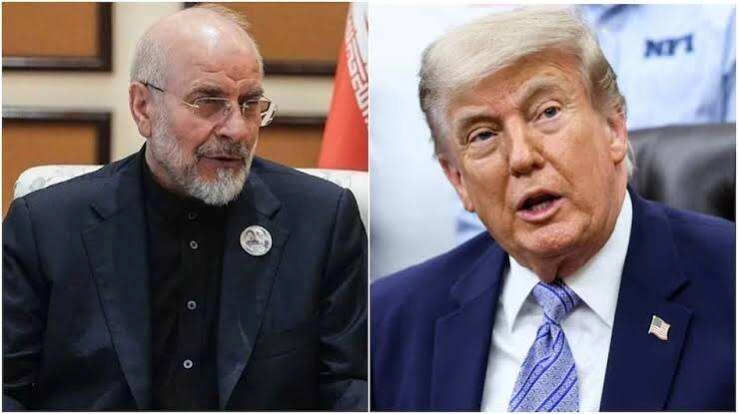
The recent tensions between Iran and the United States have escalated following a threatening statement from former President Donald Trump, which has now disrupted ongoing negotiations between the two nations. These discussions were aimed at addressing critical issues, including nuclear agreements and regional stability. However, the Iranian delegation abruptly left the meeting, indicating that the atmosphere had become too charged for constructive dialogue. The threat posed by Trump seems to have underscored the precarious nature of the negotiations, leaving many analysts questioning the future of U.S.-Iran relations.
In a notable incident, a video surfaced showing a member of the Iranian delegation refusing to shake hands with J.D. Vance, a prominent American politician. This gesture has been interpreted as a symbolic rejection of American overtures amidst rising tensions. The refusal to engage in what is traditionally seen as a diplomatic gesture highlights the increasing animosity and mistrust that characterize the current state of affairs. It reflects the broader sentiment within Iran regarding U.S. actions and rhetoric, which are often viewed as aggressive and undermining of Iran’s sovereignty.
This breakdown in talks not only complicates the diplomatic landscape but also raises concerns about the potential for further escalations. Observers note that the failure to reach an agreement could lead to renewed hostilities, as both sides may feel compelled to take more aggressive stances. The ongoing tensions serve as a reminder of the fragile nature of international diplomacy, especially when influenced by domestic political figures and their statements. As the situation develops, it will be crucial for both parties to find a way back to the negotiating table to avoid a deterioration of relations that could have far-reaching consequences for regional and global stability.