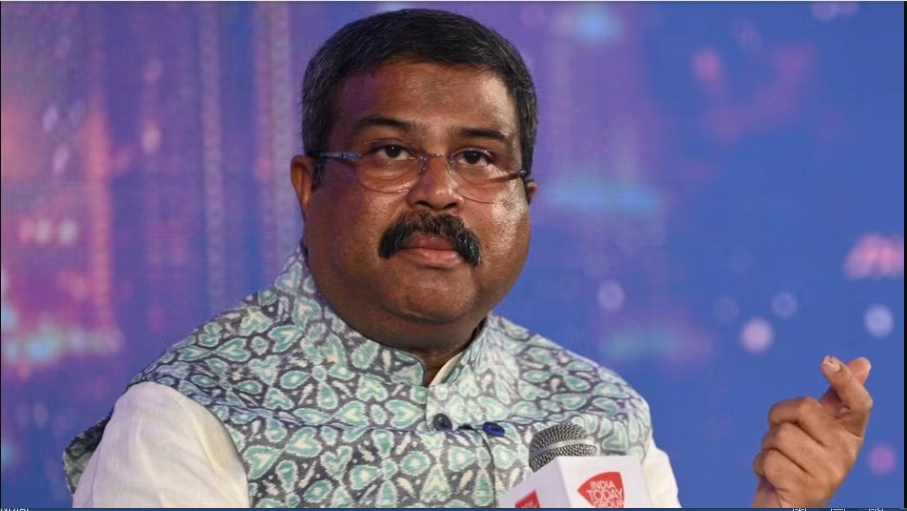
Dharmendra Pradhan, a prominent Indian politician, has witnessed the cyclical nature of history throughout his career. His journey is marked by significant events and transformations that seem to echo the past, highlighting the repeating patterns within the political landscape of India. As a key figure in the Bharatiya Janata Party (BJP) and a member of the Union Cabinet, Pradhan has played pivotal roles in various ministries, particularly in the domains of petroleum and natural gas, as well as skill development and entrepreneurship. His leadership has often reflected historical precedents, where issues of energy security and economic growth have remained central themes in India’s development narrative.
The political environment in India is notoriously dynamic, often characterized by shifts in public sentiment and policy priorities. Pradhan’s tenure has seen him navigate these changes, drawing parallels with earlier leaders who faced similar challenges. For instance, the emphasis on energy independence and sustainable development echoes the initiatives of past administrations, underscoring the idea that while strategies may evolve, the fundamental issues often remain unchanged. This repetition of themes suggests that lessons from history are not only relevant but essential for shaping future policies.
Moreover, Pradhan’s experiences in governance exemplify how leaders often grapple with the legacies of their predecessors. His focus on enhancing India’s energy infrastructure reflects a historical commitment to self-reliance and innovation, reminiscent of previous leaders who sought to bolster the nation’s capabilities in the face of external pressures. As he continues to advocate for reforms and initiatives that aim to empower the youth and promote entrepreneurship, one can observe the cyclical nature of political aspirations that have driven India’s growth narrative for decades.
In conclusion, Dharmendra Pradhan’s political journey serves as a testament to the idea that history indeed repeats itself, particularly in the realm of governance and public policy. As he addresses contemporary challenges, the echoes of past leaders and their strategies resound, reminding us that while the context may change, the core issues often persist. His ability to learn from history while forging ahead with innovative solutions will be crucial in shaping the future trajectory of India’s development.