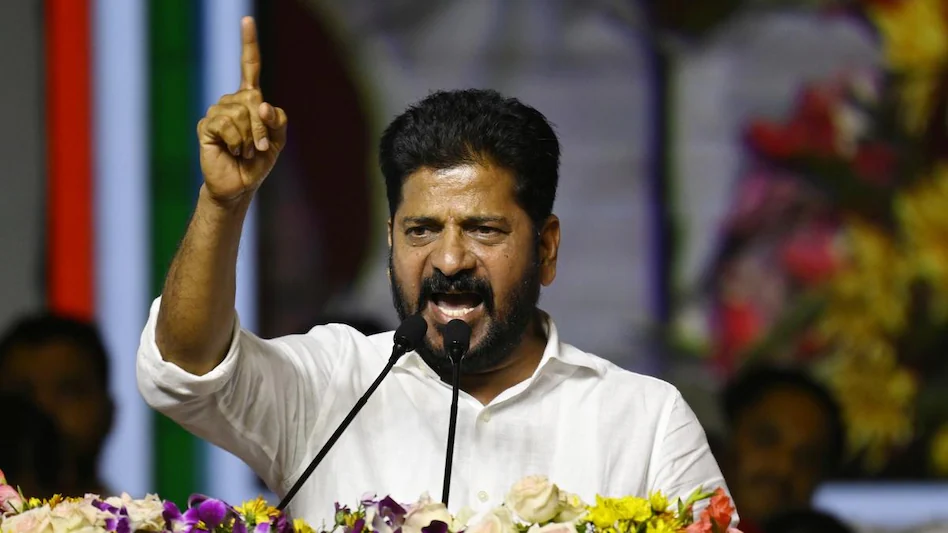
Revanth Reddy, a prominent political figure, recently made a significant announcement that is set to transform the landscape of electoral eligibility in India. He revealed that the age requirement for Members of Parliament (MPs) and Members of the Legislative Assembly (MLAs) to contest elections will be reduced from the current age of 25 years to just 21 years. This decision marks a pivotal shift in the political arena, as it opens the door for younger individuals to participate in governance and decision-making processes.
The rationale behind this change is to encourage youth participation in politics, allowing young voices to contribute to the democratic process. By lowering the age limit, Reddy aims to empower the younger generation, enabling them to bring fresh perspectives and innovative ideas to the table. This initiative is also expected to inspire more young people to engage in political activities, fostering a sense of responsibility and civic duty among the youth.
As this announcement reverberates throughout the political community, it raises important questions about the implications of such a policy. While the involvement of younger candidates could invigorate political discourse, it also necessitates a discussion about the readiness and maturity required to hold significant political office. Reddy’s proposal may lead to a more dynamic political environment, but it will be crucial to ensure that these young representatives are adequately prepared to navigate the complexities of governance.
Overall, Revanth Reddy’s announcement is a bold step towards redefining the parameters of political participation in India. By lowering the age limit for contesting elections, he is championing the cause of youth empowerment and inclusivity in politics. As this initiative unfolds, it will be interesting to observe how it affects the political landscape and whether it leads to a more engaged and representative democracy.