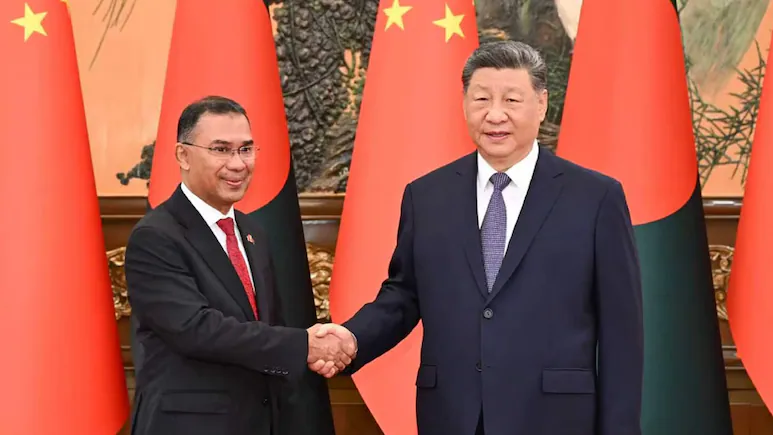
China has unveiled plans to establish an economic corridor with Bangladesh, which shares a border with India. This initiative raises questions about the geopolitical implications for India, particularly in light of the complex regional dynamics. The proposed corridor is poised to facilitate trade and investment between China and Bangladesh, potentially enhancing China’s influence in South Asia. With India’s historical ties to Bangladesh and its strategic interests in the region, New Delhi must carefully assess the ramifications of this development.
The economic corridor could serve as a vital link for China as it seeks to expand its Belt and Road Initiative (BRI) into South Asia. By increasing connectivity with Bangladesh, China aims to bolster its trade routes and strengthen economic ties. This move may further solidify China’s position in the region, posing potential challenges for India’s influence and economic interests in neighboring countries. As China deepens its engagement with Bangladesh, India may find itself compelled to rethink and recalibrate its foreign policy approach to maintain its strategic foothold in South Asia.
While the economic corridor may present opportunities for Bangladesh in terms of economic growth and infrastructure development, it also raises concerns for India regarding security and sovereignty. The increased presence of Chinese investment and influence in Bangladesh could lead to a shift in the regional power balance. New Delhi must navigate these developments with caution, balancing its own strategic interests while fostering strong diplomatic relationships with both Bangladesh and China. As the situation unfolds, it will be crucial for India to remain vigilant and proactive in its regional diplomacy to mitigate any potential risks associated with this new economic corridor.