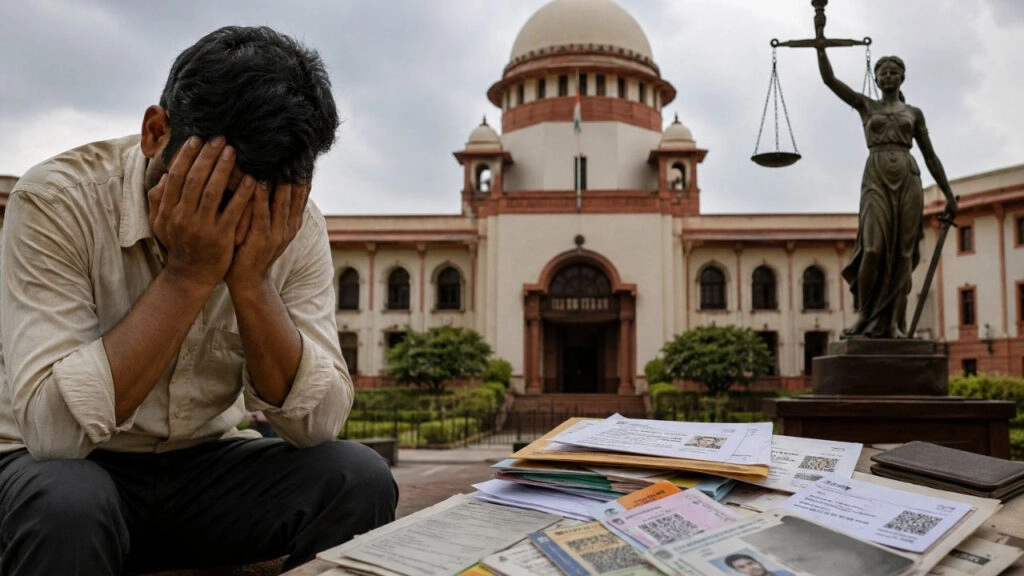
In a significant ruling, the Assam High Court has upheld a decision regarding Indian citizenship that has raised considerable attention. The court determined that an individual did not establish their Indian citizenship despite presenting a substantial array of evidence, including 15 different documents. This case highlights the complexities and challenges associated with citizenship verification in India, particularly in the northeastern state of Assam, which has been a focal point for questions of identity and nationality.
The Assam High Court’s decision underscores the stringent criteria that applicants must meet to prove their citizenship. The individual in question had submitted a variety of documents, which they believed would sufficiently demonstrate their status as an Indian citizen. However, the court found that the evidence provided did not meet the necessary legal standards. This ruling reflects the broader context of the National Register of Citizens (NRC) process in Assam, where many residents have faced similar struggles in proving their citizenship amid concerns over illegal immigration.
This ruling could have far-reaching implications for individuals in Assam and beyond, particularly for those who have faced difficulties in proving their citizenship status. The Assam High Court’s decision serves as a reminder of the ongoing legal and administrative challenges that can arise in matters of citizenship, especially in a region that has experienced significant demographic changes over the years. The complexities surrounding citizenship verification continue to evoke strong emotions and highlight the need for clarity and fairness in the processes governing nationality in India.
As the legal landscape evolves, it will be crucial for individuals seeking to establish their citizenship to understand the requirements and potential implications of such rulings. The Assam High Court’s decision may not only influence future cases but also reflect the ongoing discourse surrounding identity and belonging in a diverse nation like India.