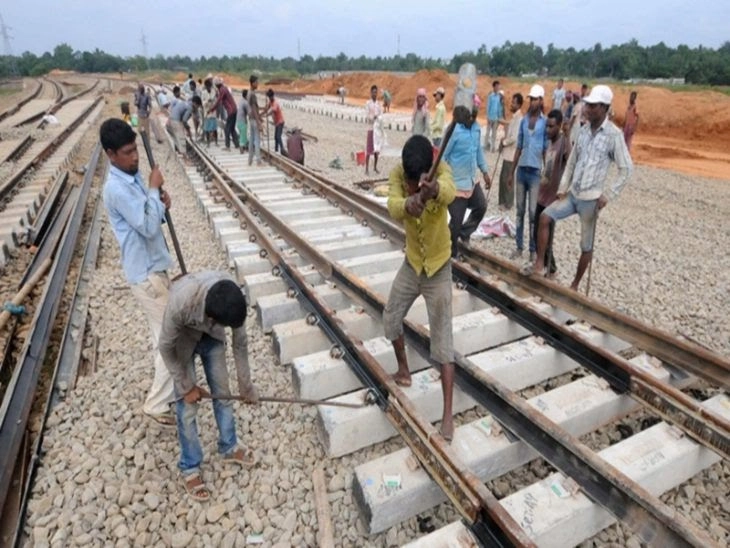
The expansion of railway infrastructure in Bihar has taken a significant step forward with the commencement of land acquisition for the construction of the third and fourth railway lines. This development is expected to enhance the efficiency and capacity of the existing railway network in the state, which plays a crucial role in transportation and connectivity. The introduction of additional tracks will not only facilitate faster movement of goods and passengers but also alleviate the congestion that currently hampers train operations in the region.
The expansion project aims to address the growing demand for rail services in Bihar, driven by the increasing population and economic activities in the area. By adding more tracks, the railway authorities are looking to improve the overall reliability of train schedules, reduce delays, and increase the frequency of services. This initiative is pivotal for the socio-economic development of Bihar, as improved railway connectivity can bolster trade, attract investments, and create job opportunities for the local population.
Land acquisition is a critical phase in the execution of such large-scale infrastructure projects. It involves negotiations with landowners and stakeholders to ensure fair compensation and minimize disruptions to local communities. The government has outlined its commitment to carrying out the acquisition process transparently and efficiently, aiming to mitigate any potential grievances. As the project progresses, it is hoped that the expansion will not only enhance the rail network but also contribute to the overall development of the state, paving the way for a more integrated and accessible transport system.
In summary, the initiation of land acquisition for the third and fourth railway lines in Bihar marks a pivotal moment in the state’s transportation landscape. It reflects a proactive approach towards improving rail infrastructure, which is essential for catering to the burgeoning demands of the population and the economy. The successful implementation of this project could serve as a catalyst for further development in Bihar, ultimately leading to enhanced connectivity and growth opportunities for its residents.