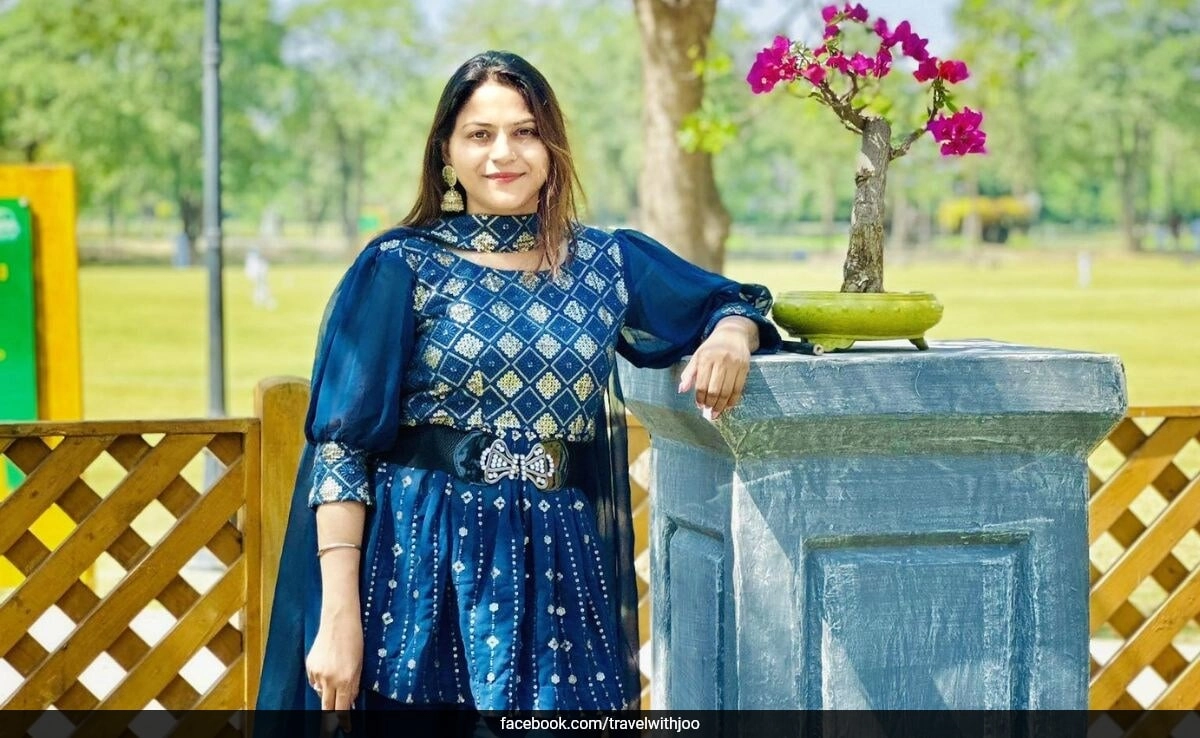
The recent revelations surrounding a conversation between a ‘spy’ YouTuber and an ISI handler titled “Get Me Married” have sparked significant interest and concern. This exchange, which was initially intended to explore espionage themes through a personal lens, has instead opened up a dialogue about the complexities of international relations and the ethical implications of digital content creation. The YouTuber, known for their engaging storytelling and investigative skills, unwittingly found themselves embroiled in a situation that blurs the lines between entertainment and national security.
During the conversation, the ISI handler attempted to manipulate the YouTuber’s narrative, suggesting that personal connections could be leveraged to gather sensitive information. This aspect of the dialogue raises questions about the responsibilities of content creators, especially those who operate in politically charged environments. The YouTuber, while aiming to produce captivating content, recognized the potential dangers of engaging with individuals linked to intelligence agencies, highlighting the precarious balance between creative exploration and ethical storytelling.
Moreover, the title “Get Me Married” itself adds an intriguing layer to the discourse, as it implies a personal and perhaps naive approach to a serious subject. The juxtaposition of a seemingly light-hearted topic with the gravitas of espionage highlights the often contradictory nature of modern media consumption. Viewers are drawn to sensational stories, yet the implications of such narratives can be profound and far-reaching. This incident serves as a reminder that the digital space is fraught with risks, urging creators to remain vigilant about their interactions and the potential consequences of their content.
As the conversation unfolds, it becomes evident that the intersection of personal narratives and geopolitical issues can lead to unforeseen complications. The YouTuber’s experience serves as a cautionary tale for others in the field, emphasizing the importance of understanding the broader context in which their work exists. It invites a critical examination of how personal stories can inadvertently contribute to larger narratives, sometimes with unintended consequences. In an age where information can be weaponized, creators must navigate the thin line between storytelling and responsibility, ensuring that their platforms are used for positive engagement rather than exploitation.