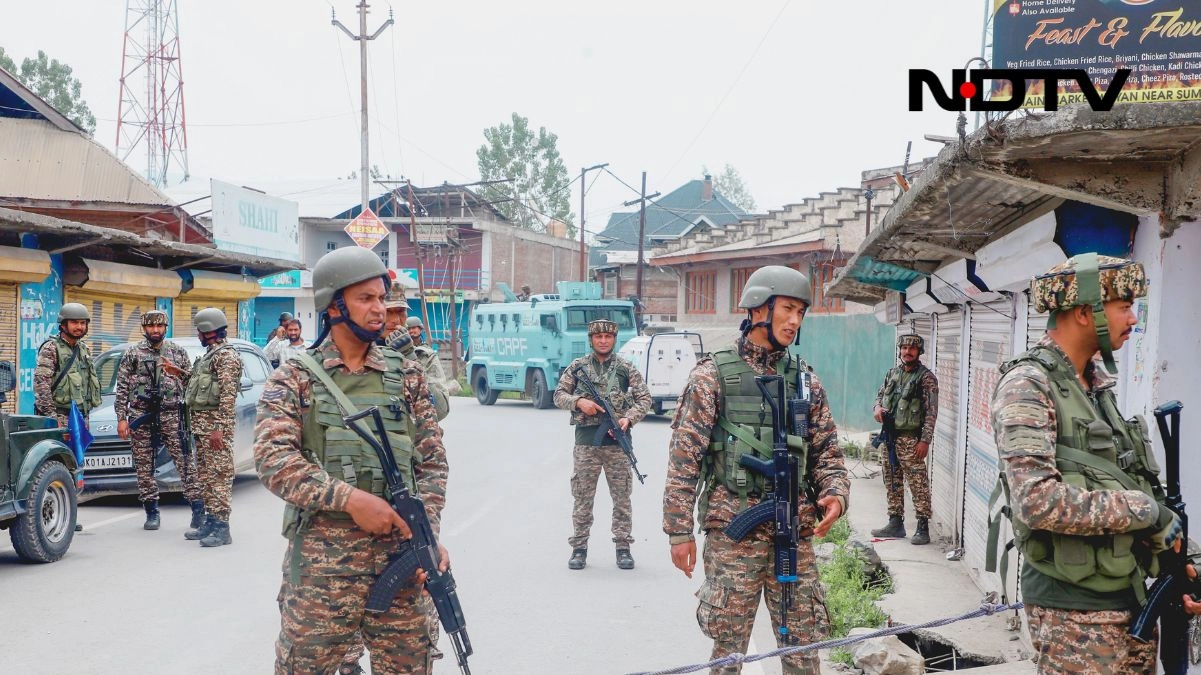
The India-Pakistan relationship has long been characterized by a complex interplay of rivalry and conflict, often viewed through the lens of deterrence and escalation. Both nations, armed with nuclear capabilities, find themselves caught in a precarious cycle where threats and military posturing frequently escalate tensions. This dynamic not only complicates diplomatic efforts but also raises the stakes for both countries, as miscalculations could lead to catastrophic consequences. The historical backdrop of wars, skirmishes, and ongoing disputes over territories like Kashmir has entrenched this cycle, making it increasingly difficult to break free from the patterns of escalation.
Deterrence theory suggests that the possession of nuclear weapons should ideally prevent war, as the cost of conflict would be too high for both parties. However, in the case of India and Pakistan, this theory has been tested repeatedly. The constant need to prove military strength leads to arms races and aggressive posturing, which in turn can ignite conflicts that threaten to spiral out of control. For instance, incidents like the 2019 Pulwama attack and the subsequent airstrikes by both nations highlight how quickly tensions can escalate from localized skirmishes to full-blown military confrontations, despite the overarching threat of nuclear retaliation.
To break this cycle, both countries must engage in sincere dialogue aimed at conflict resolution rather than mere deterrence. Creating channels for communication, establishing confidence-building measures, and addressing core issues such as territorial disputes and cross-border terrorism could help to reduce tensions. Moreover, international mediation and support can play a crucial role in facilitating constructive discussions. It is essential for both India and Pakistan to recognize that the current trajectory is unsustainable, and a shift towards cooperative engagement could provide a pathway towards lasting peace and stability in the region.
Ultimately, the question remains: can India and Pakistan escape the gravitational pull of deterrence and escalation? The answer lies in their willingness to embrace diplomacy over aggression and to seek common ground amidst their differences. While the road to normalization is fraught with challenges, the potential benefits of peace and stability cannot be overstated. Both nations owe it to their citizens to explore avenues that foster mutual understanding and cooperation, breaking free from the shackles of a cycle that has caused immense suffering and insecurity for decades.