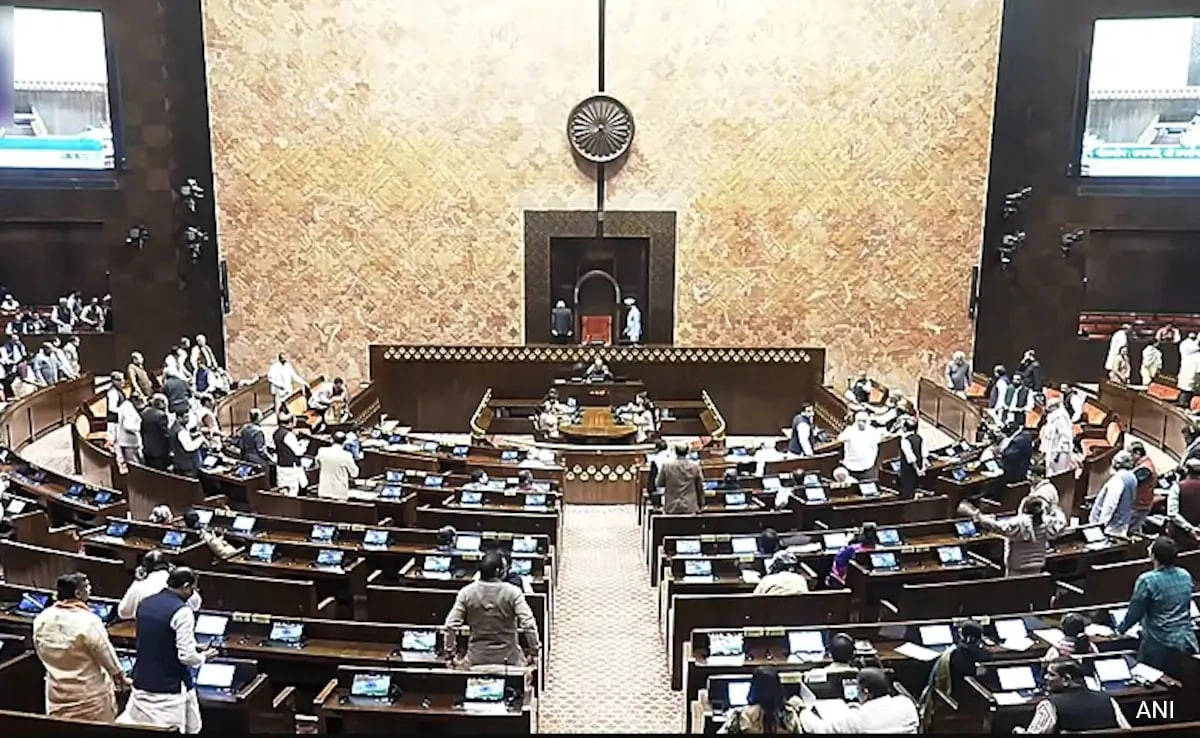
In a significant political development, the Election Commission of India has announced that separate elections will be conducted for four Rajya Sabha seats in Jammu and Kashmir, as well as one in Punjab. This decision reflects the ongoing complexities within the political landscape of these regions, particularly in Jammu and Kashmir, which has experienced a tumultuous history of governance and representation. The move to hold separate elections indicates a recognition of the distinct political dynamics at play in these areas, allowing for a more tailored approach to representation in the upper house of Parliament.
The elections in Jammu and Kashmir will involve the selection of four Rajya Sabha members, which is crucial for ensuring that the voices of the region are adequately represented at the national level. Given the unique challenges faced by Jammu and Kashmir, including issues related to autonomy, security, and development, the elections could be pivotal in shaping the region’s political future. Political parties will likely strategize extensively to secure these seats, emphasizing the importance of local leadership and regional interests in their campaigns.
Meanwhile, the election for the Rajya Sabha seat in Punjab adds another layer of significance to this electoral process. Punjab has its own set of political challenges, including agrarian issues, economic development, and communal harmony. The outcome of this election will not only influence the representation of Punjab in the Rajya Sabha but also reflect broader trends in the state’s political climate, especially considering the recent protests and movements related to farmers’ rights and agricultural policies.
As these elections approach, political parties and candidates will be under pressure to connect with their constituents and address the pressing issues that resonate with voters. The separate electoral processes for Jammu and Kashmir and Punjab highlight the need for tailored political strategies that consider the unique socio-political contexts of each region. This development could also lead to a renewed focus on local governance and the importance of ensuring that the voices of all communities are heard and represented in the corridors of power. Ultimately, these elections will play a critical role in shaping the future of governance and representation in both Jammu and Kashmir and Punjab, setting the stage for the political narratives that will unfold in the coming years.