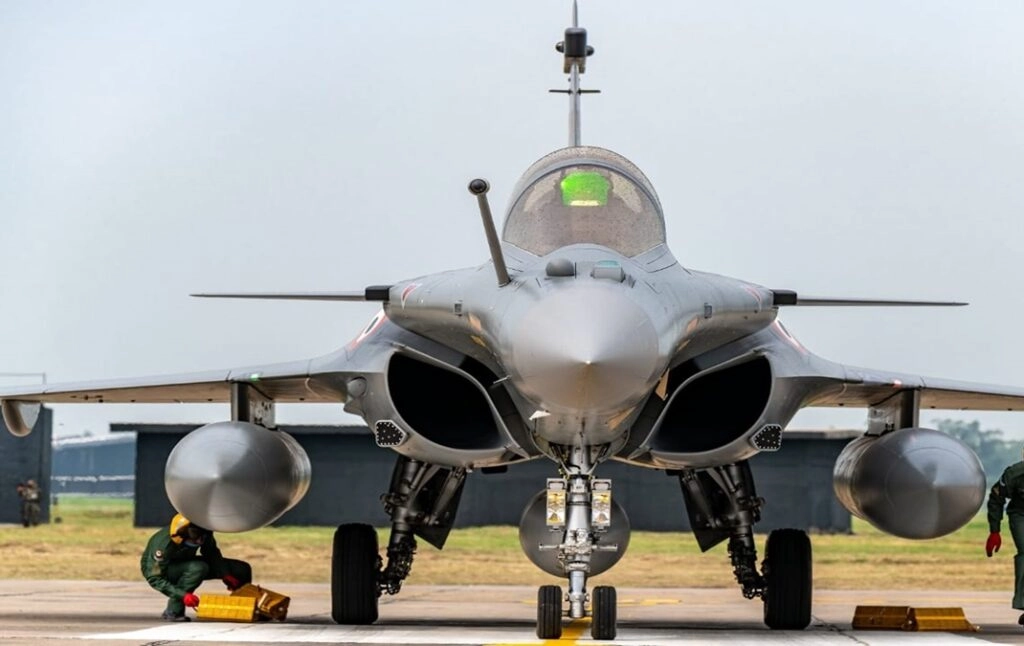
India’s growing strength in the aerospace sector marks a significant turning point in its military capabilities, particularly in the context of regional security dynamics. A pivotal decision, likely involving advancements in defense technology or strategic partnerships, has altered the balance of power in the region. This transformation not only enhances India’s defense posture but also positions it as a formidable player in the global arena.
The decision in question may involve investments in indigenous aerospace projects or collaborations with other nations to develop cutting-edge aircraft and missile systems. These advancements are crucial for India, given its diverse security challenges, ranging from border tensions to maritime security threats. By bolstering its aerial capabilities, India is not just preparing to defend its sovereignty but is also sending a clear message to potential adversaries about its readiness and resolve.
Moreover, this increased aerial strength can have far-reaching implications for regional alliances and geopolitical strategies. As India enhances its military capabilities, neighboring countries may reassess their own defense strategies, potentially leading to an arms race or prompting them to seek stronger partnerships with allies. The balance of power in South Asia could thus be significantly reshaped, creating new dynamics in diplomatic relations and regional stability.
In conclusion, India’s decision to strengthen its air power is a critical step toward establishing itself as a dominant force in the region. As it continues to invest in and develop its aerospace capabilities, the implications for national security and regional geopolitics will be profound, ultimately contributing to a more secure and robust India in the global landscape. This strategic shift not only reflects India’s aspirations but also its commitment to maintaining peace and stability in a complex security environment.