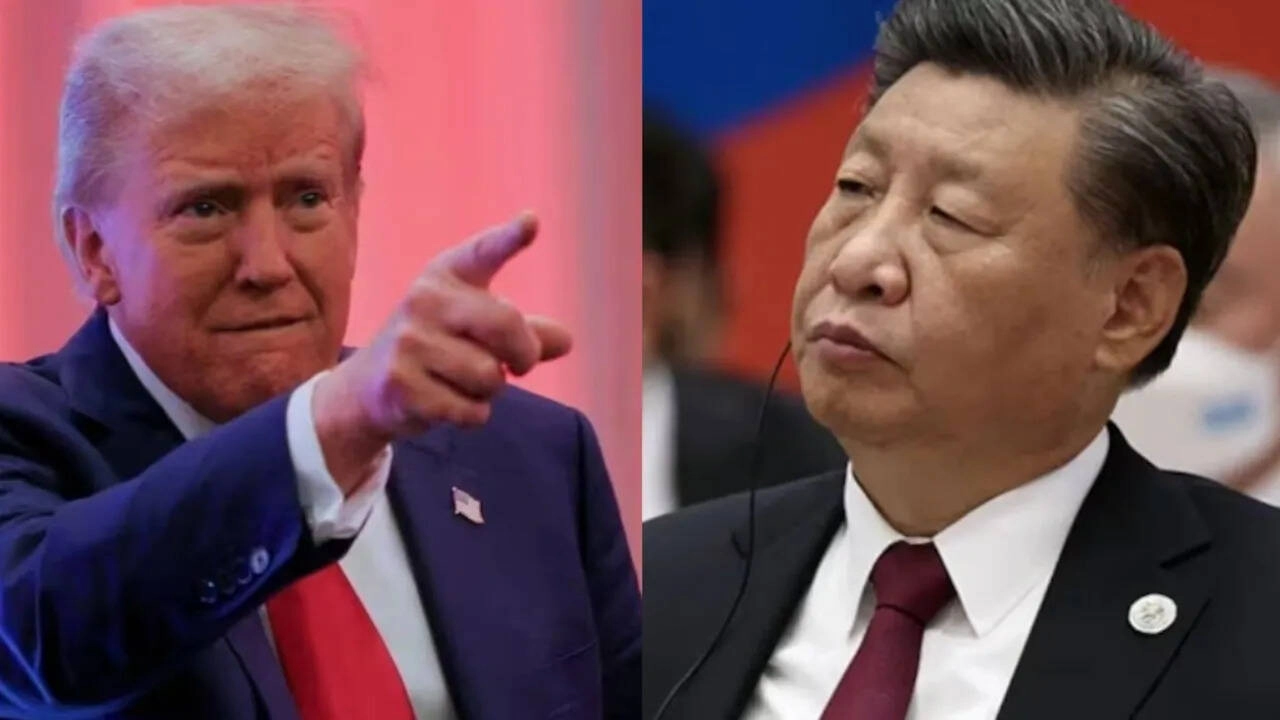
After the cancellation of the peace deal, the United States has issued a stark warning to China. The U.S. government has made it clear that if China supplies weapons to Iran, it will impose a hefty tariff of 50% on Chinese goods. This statement underscores the increasing tensions between the U.S. and China, particularly concerning issues of military support and trade. The U.S. has been closely monitoring China’s relationship with Iran, especially in the context of regional security and the ongoing conflicts in the Middle East.
The warning serves as a reminder of the broader geopolitical implications of arms deals in the region. The U.S. has long been concerned about Iran’s military capabilities and its influence in the Middle East, and any support from China could exacerbate these issues. By threatening significant tariffs, the U.S. aims to deter China from engaging in military transactions with Iran, which could lead to further destabilization in the region.
This situation reflects the complexities of international relations, where economic measures are used as tools of diplomacy. The U.S. is not only focused on deterring potential threats but is also keen on maintaining its influence in global trade. The implications of such tariffs could have a ripple effect on the global economy, impacting not only China but also other nations that might be involved in trade with both countries. As the U.S. navigates these challenges, the stakes remain high, and the future of U.S.-China relations hangs in the balance.