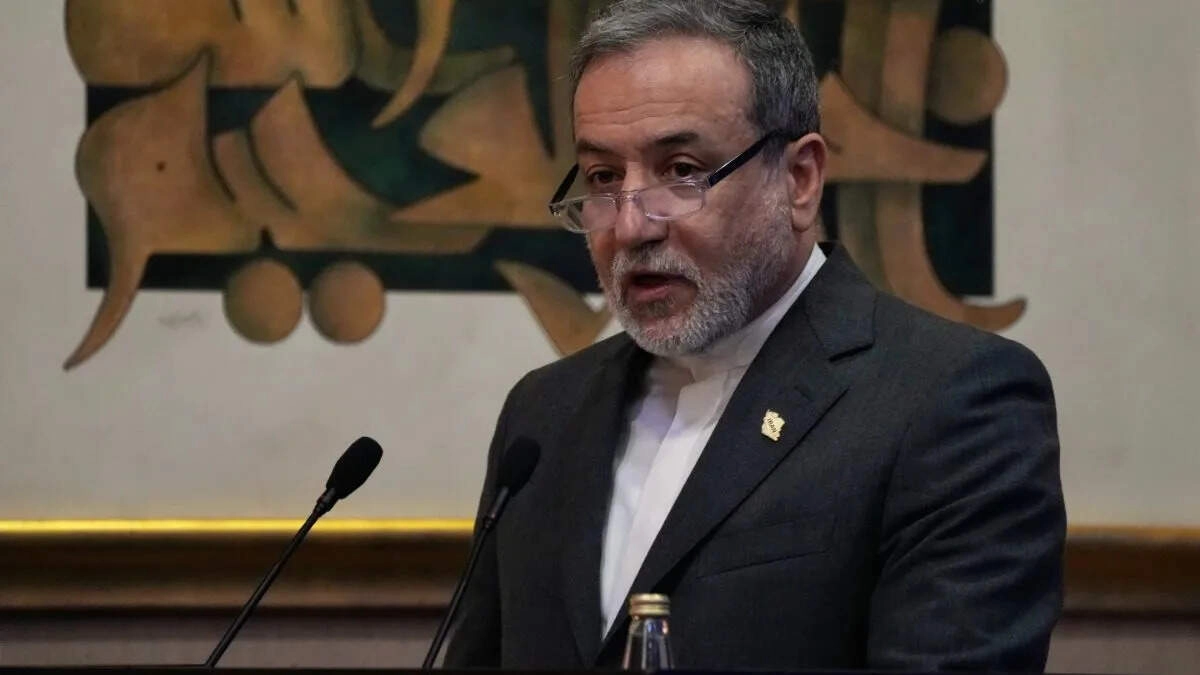
The Iranian Foreign Minister recently revealed the reasons behind the collapse of a historic deal that seemed almost finalized. According to him, everything was set for a groundbreaking agreement that could have significantly altered the geopolitical landscape. However, unforeseen circumstances and last-minute changes led to the deal’s failure. The discussions had progressed to a point where both parties were optimistic, and the contours of the agreement were clearly defined. There was a general sense of anticipation about the positive outcomes that this deal could bring.
Despite the apparent readiness, the Iranian Foreign Minister indicated that external factors played a crucial role in the breakdown of negotiations. There may have been shifts in diplomatic stances, pressure from various factions, or unexpected demands that arose just before the finalization of the agreement. These elements contributed to a situation where both sides could not reach a consensus, leading to disillusionment and a withdrawal from the potential accord.
The failure of this deal is a significant setback, as it had the potential to ease tensions in the region and foster better relations between Iran and other nations. The Foreign Minister expressed disappointment over the situation, emphasizing that the opportunity for dialogue and cooperation was lost. The complexities of international diplomacy often make such agreements challenging to finalize, and this instance underscores the fragility of negotiations where many variables are at play. As the fallout from this breakdown continues to unfold, it remains to be seen how it will impact Iran’s relations with other countries and the broader geopolitical dynamics.