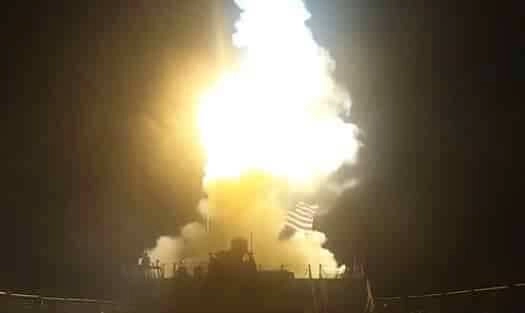
The ongoing tension between the United States and Iran has escalated significantly, with the US conducting continuous airstrikes for the past 12 days. This relentless campaign has prompted a stern response from Iran, which has issued a clear and direct threat, vowing to retaliate with the principle of “an eye for an eye.” This phrase encapsulates the nation’s determination to respond decisively to any perceived aggression, indicating that the situation could spiral into a larger conflict if not managed carefully.
The backdrop of these military operations is deeply rooted in a complex history characterized by distrust and animosity. The US has justified its actions as necessary for national security and to protect its interests in the region, while Iran views these strikes as acts of aggression that threaten its sovereignty. The potential for an expanded confrontation looms large, as both nations have shown a willingness to escalate their military postures. Iranian leaders have emphasized their resolve to defend their homeland, suggesting that any further attacks would elicit a proportionate and possibly severe response.
As the situation develops, international observers are closely watching for signs of de-escalation or further escalation. Diplomatic channels appear strained, with both sides maintaining hardline positions. The implications of a significant military confrontation could extend beyond the immediate region, affecting global oil markets and international relations. Thus, the world holds its breath as tensions remain high, and the possibility of conflict hangs in the balance, underscoring the need for urgent diplomatic efforts to prevent an all-out war.