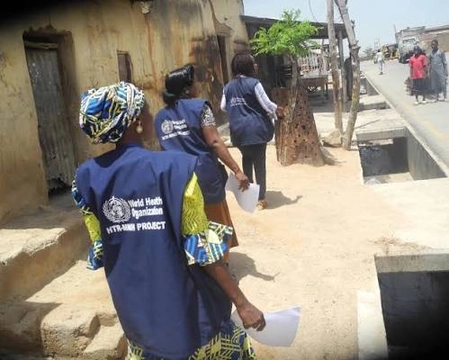
In Nigeria, the outbreak of cholera has become a significant public health crisis, particularly in the northeastern state of Borno. The region has been grappling with a severe shortage of clean water and adequate health services, which has exacerbated the situation. Reports indicate that the cholera outbreak has resulted in the tragic loss of approximately 200 lives, with many more individuals falling ill. The lack of proper sanitation and access to potable water has created a breeding ground for the spread of this infectious disease.
The ongoing humanitarian challenges in Borno, exacerbated by years of conflict and instability, have severely impacted the local population’s ability to access basic necessities. Many communities are facing dire conditions, with inadequate infrastructure to support health care and sanitation. Cholera, a waterborne disease, thrives in environments where hygiene practices are compromised, making the current situation all the more critical. As the outbreak continues to unfold, health officials are calling for immediate interventions to control the spread of the disease and to provide support to the affected communities.
Efforts to combat the cholera outbreak in Borno must focus on improving access to clean water, enhancing sanitation facilities, and providing health education to prevent further infections. Local and international organizations are mobilizing resources to assist in the response, but the scale of the crisis requires a coordinated effort from various stakeholders. Ensuring that affected populations receive timely medical care, including access to rehydration solutions and antibiotics, is essential to saving lives and curbing the outbreak. The situation in Nigeria serves as a stark reminder of the broader implications of neglecting public health infrastructure, particularly in regions that are already vulnerable due to conflict and displacement.