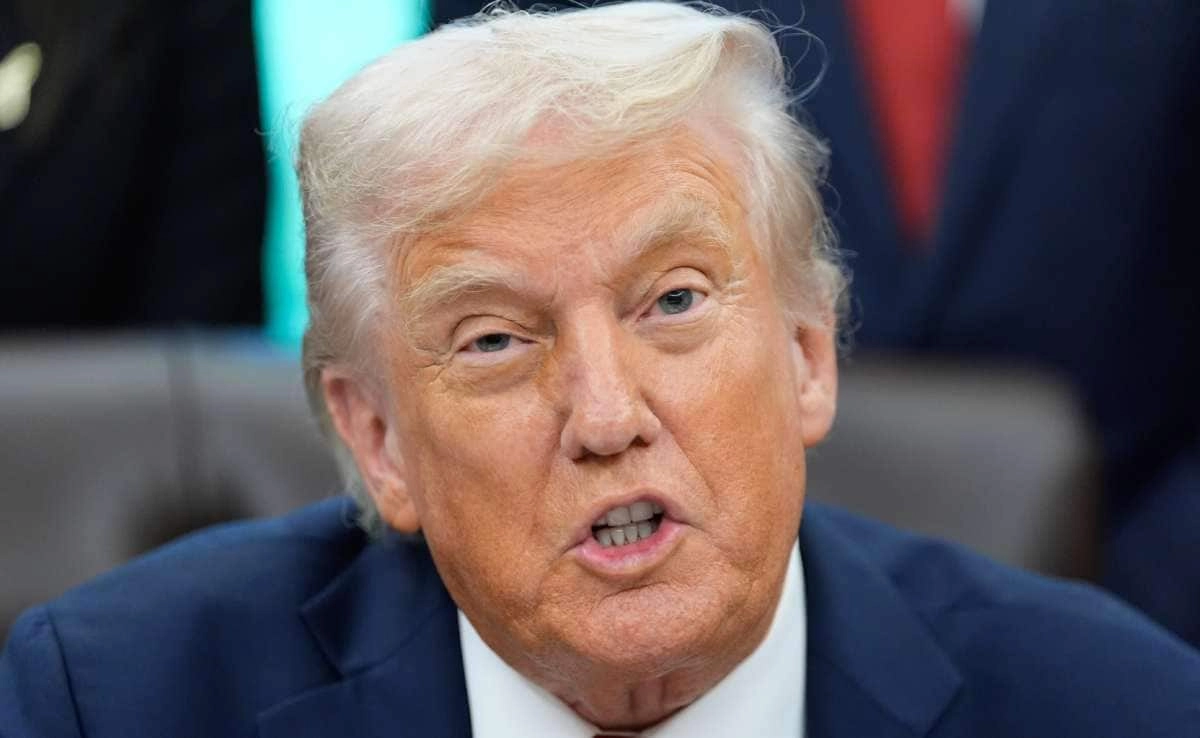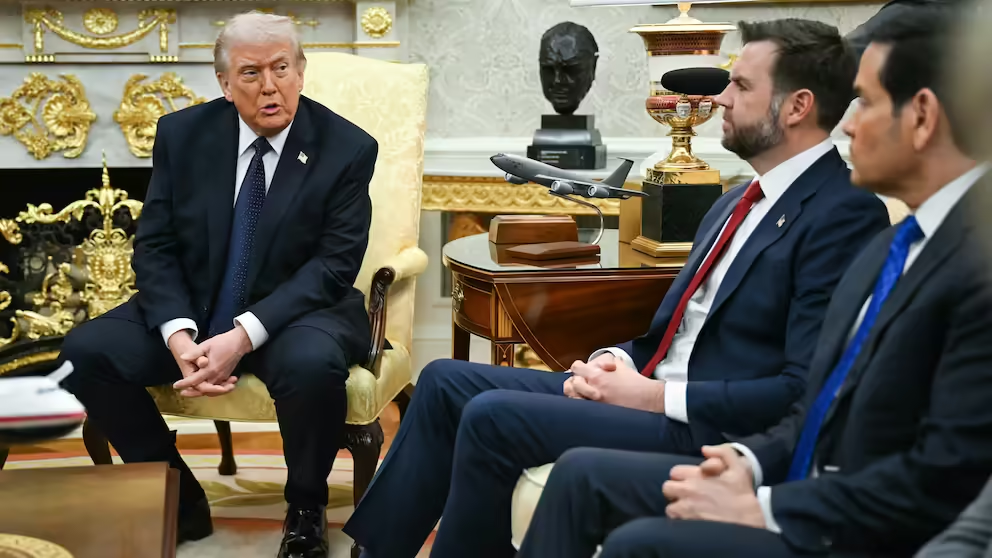
Donald Trump has made a significant statement regarding the ongoing tensions with Iran, asserting that he does not consider military confrontation with the country to be equivalent to war. This perspective sheds light on the former president’s approach to foreign policy and military engagement. Trump’s remarks come at a time when the United States is navigating complex geopolitical challenges in the Middle East, particularly with the increasing hostilities between various factions and nations in the region.
In his statement, Trump emphasized that military actions, such as airstrikes or targeted operations, should not be classified as war unless there is a formal declaration by Congress. This viewpoint reflects his administration’s often unconventional stance on military intervention, where he sought to limit extensive military engagements while still projecting American strength abroad. Trump’s comments may resonate with certain segments of the American population that are wary of prolonged military conflicts, especially in light of the lengthy engagements in Iraq and Afghanistan.
As the United States evaluates its next steps in relation to Iran, the implications of Trump’s statement could influence current policy discussions. Lawmakers and military officials may consider how to balance national security interests with the desire to avoid an all-out war. The Biden administration, which has taken a different approach to foreign relations, might find itself navigating the delicate line between maintaining pressure on Iran and avoiding escalation. The future of U.S.-Iran relations remains uncertain, and how America chooses to respond in the coming weeks and months will be critical in shaping the geopolitical landscape of the region.