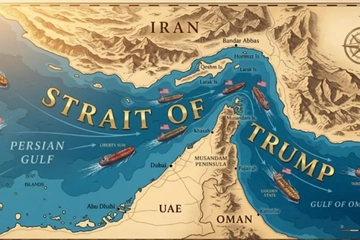
The tension between Iran and the United States has escalated significantly, raising global concerns, particularly regarding the strategic Hormuz Strait. This vital waterway is crucial for international shipping and energy supplies, as a significant portion of the world’s oil passes through it. Recent developments have led to calls for a ceasefire to de-escalate the situation and prevent further conflicts that could disrupt maritime traffic and have dire implications for the global economy.
Videos circulating in the media showcase the heightened military presence in the region, with both nations showcasing their naval capabilities. The imagery serves as a stark reminder of the fragile nature of peace in this area and the potential for miscalculations that could lead to armed confrontations. The international community is closely monitoring these developments, understanding that any confrontation in the Hormuz Strait could have far-reaching effects, not only on oil prices but also on geopolitical stability.
Moreover, the potential for a ceasefire is seen as a glimmer of hope amid rising tensions. Diplomatic efforts are being urged to ensure that both parties can come to the negotiating table. The Hormuz Strait’s strategic importance cannot be overstated, and the ramifications of an armed conflict could lead to a significant disruption of trade routes, impacting not just the countries involved but also global markets. As the situation unfolds, the world watches closely, hoping for a resolution that prioritizes peace and stability in this critical maritime corridor.