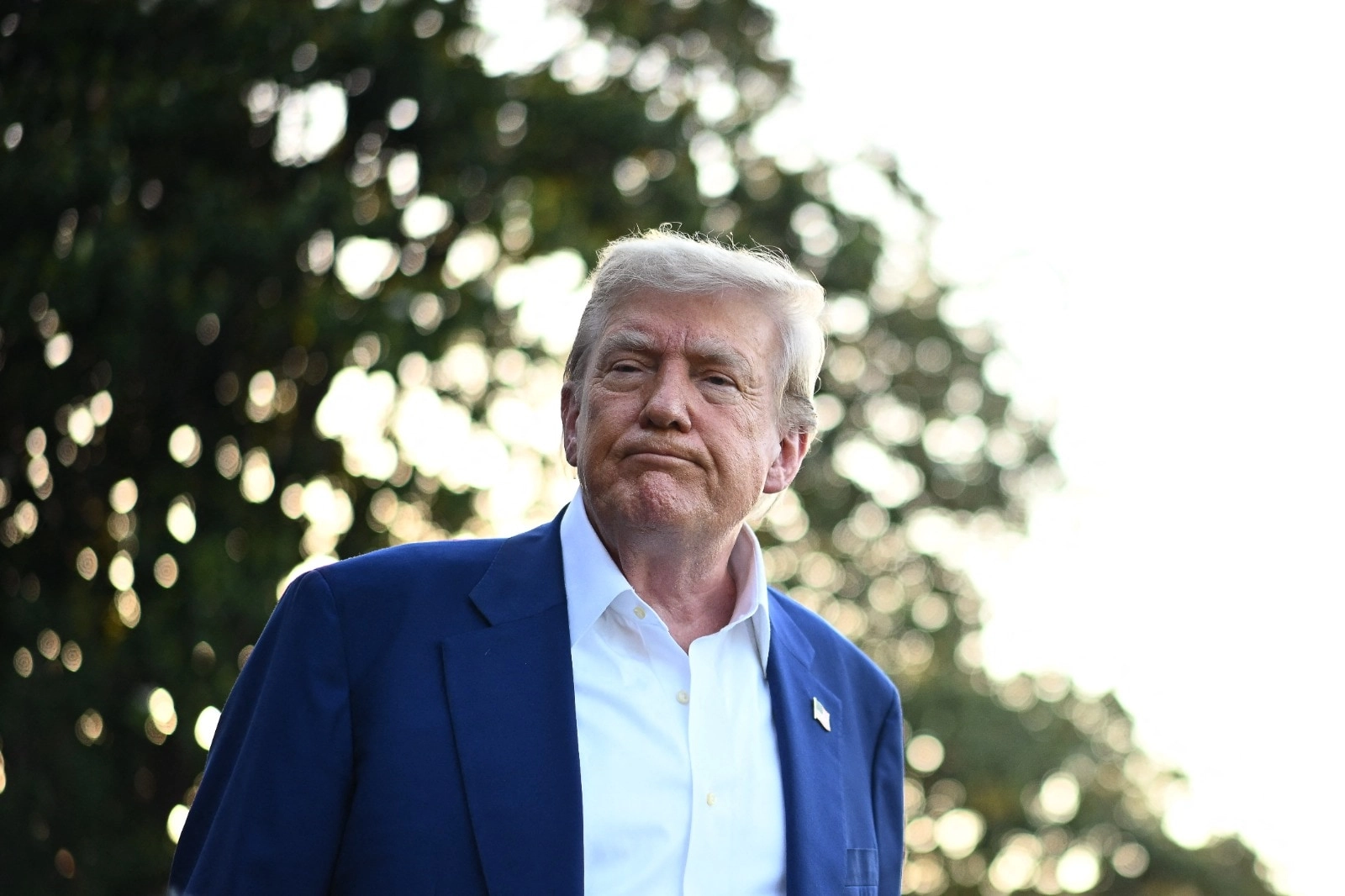
In a dramatic turn of events, former President Donald Trump has transitioned from being perceived as an aggressor to a peacemaker in the tense relationship between Iran and Israel, all within a mere two days. This unexpected shift has captivated international observers and brought renewed attention to the complex dynamics of Middle Eastern geopolitics. Historically, Trump’s administration was characterized by a hardline stance against Iran, including the withdrawal from the Iran nuclear deal and the imposition of stringent sanctions. His approach was often viewed as provocative, exacerbating tensions in the region and leading to concerns about potential military confrontations.
However, recent developments suggest a significant change in Trump’s strategy. Within just 48 hours, he has taken steps that appear to promote dialogue and peace between Iran and Israel, two nations that have long been at odds. This shift could be seen as an attempt to reposition himself on the global stage or as a genuine effort to foster stability in a region fraught with conflict. Analysts are keenly observing whether this pivot is a calculated political move or a sincere commitment to diplomacy. The implications of such a transformation could be profound, potentially reshaping alliances and altering the balance of power in the Middle East.
The prospect of Trump acting as a mediator raises important questions about the potential for lasting peace. While the immediate reactions to his overtures have been mixed, there is cautious optimism among some observers that his involvement might create an opportunity for dialogue. Engaging both Iran and Israel in discussions could lead to a reduction in hostilities and pave the way for future cooperation on shared challenges, such as security concerns and economic development. However, critics remain skeptical, pointing to Trump’s previous actions that undermined trust and exacerbated divisions within the region.
Ultimately, the transition from aggressor to peacemaker in such a short span highlights the volatility of Middle Eastern politics and the unpredictable nature of international relations. As Trump navigates this delicate landscape, the world watches closely, hoping for a resolution that has eluded both countries for decades. Whether this new approach will bear fruit remains to be seen, but it undeniably brings a renewed sense of urgency to the discussions surrounding peace and stability in one of the world’s most contentious regions.